"This was a really enjoyable excursion.Phillipppe the guide was so knowledgeable about all the birds and made great effort to find all different types.We even saw around 25-30 flamingos as a bonus, a few storks,plus a couple of of cormarants (including one catching a fish and then attempting to eat it).The only negative was possibly that the seats were facing inwards so it was quite tricky to turn around sometimes and see the birds All in all a great trip with a very knowledgeable guide and some great fellow travellers.We would highly recommend this trip to anyone with an interest in nature."
The solar boat · Faro's lagoon · from about $45
The Ria Formosa Birdwatching Tour, and Which One to Book
A quiet solar-powered boat into the tidal channels off Faro's old town, with binoculars and a local guide: rated 4.7 by 422 guests. Expect waders, egrets, cormorants and storks. Flamingos turn up some days and not others, and the reed-bed birds need a walk at Ludo.
From
$45
per person
Free cancellation
- 4.7 / 5 422+ Reviews
- 200+ Bird Species Recorded
- 1980 Listed as a Ramsar Wetland
- Free Cancellation
The Experience
What the Solar Boat Trip Includes
From the operator's own listing, with one word corrected: it called the lagoon a national park, and the Ria Formosa is a natural park, protected since 1987.
Highlights
- Explore the saltwater canals where birds feed
- Admire the dozens of bird nests from birds that nest in the Ria Formosa Natural Park
- Learn all about this wonderful ecosystem
- Feel part of the move to a cleaner planet aboard a solar-powered vessel
What's Included
- Binoculars and guides with local fauna and flora information
- Experienced skipper and local guide on board
Good to know: This tour can be canceled in the event of unfavorable weather conditions (you will be notified in advance if this is the case) · Not suitable for: Wheelchair users · Not Included: Food and drinks on board, Transfer or any transportation to the meeting point at the beginning of the activity
How a Ria Formosa Birdwatching Trip Works
Four steps: choose boat, walk or jeep, read the tide and the season, find the right meeting point, and bring binoculars where none are lent.
Choose Boat, Walk or Jeep
The boats leave from Faro's old town for the tidal channels: the fromherefaro solar boat (4.7 from 422 reviews, about $45), Lands' two-hour solar boat (about $45) and a one-hour catamaran (about $28). Two of the walks and the Segway start at Ludo, near the airport, where the reed lagoons and salt pans are. The jeep day picks up around Albufeira and stops at the salt pans in Olhão.
Read the Tide and the Season
There are two high and two low tides a day, and the water rises and falls about 2 m on an average tide. At low water the waders spread out over the mudflats to feed, which is when the catamaran's own listing says to go. At high water they crowd into the salt pans. October to March is the classic season for waders, flamingos and ospreys, and in April and May Lands runs a walk instead of its boat.
Find the Right Meeting Point
The solar boats meet at kiosks on Rua da Porta Nova, by the old-town walls. The catamaran meets about 100 m in front of Hotel Eva Senses near the marina; check in 15 minutes early. The biologist walk, the sunset walk and the Segway meet at the 'crab roundabout' on the road to Praia de Faro, near the airport. The jeep day is the one with hotel pickup.
Bring Binoculars, Expect No Promises
Binoculars come with both solar boats and the Segway. The biologist walk rents them on request, and the other listings don't mention them. No operator can promise a species: flamingos feed in the salt pans and shallows and turn up on some days and not others, and the purple swamphen lives in freshwater reeds that no boat reaches.
Photo Gallery
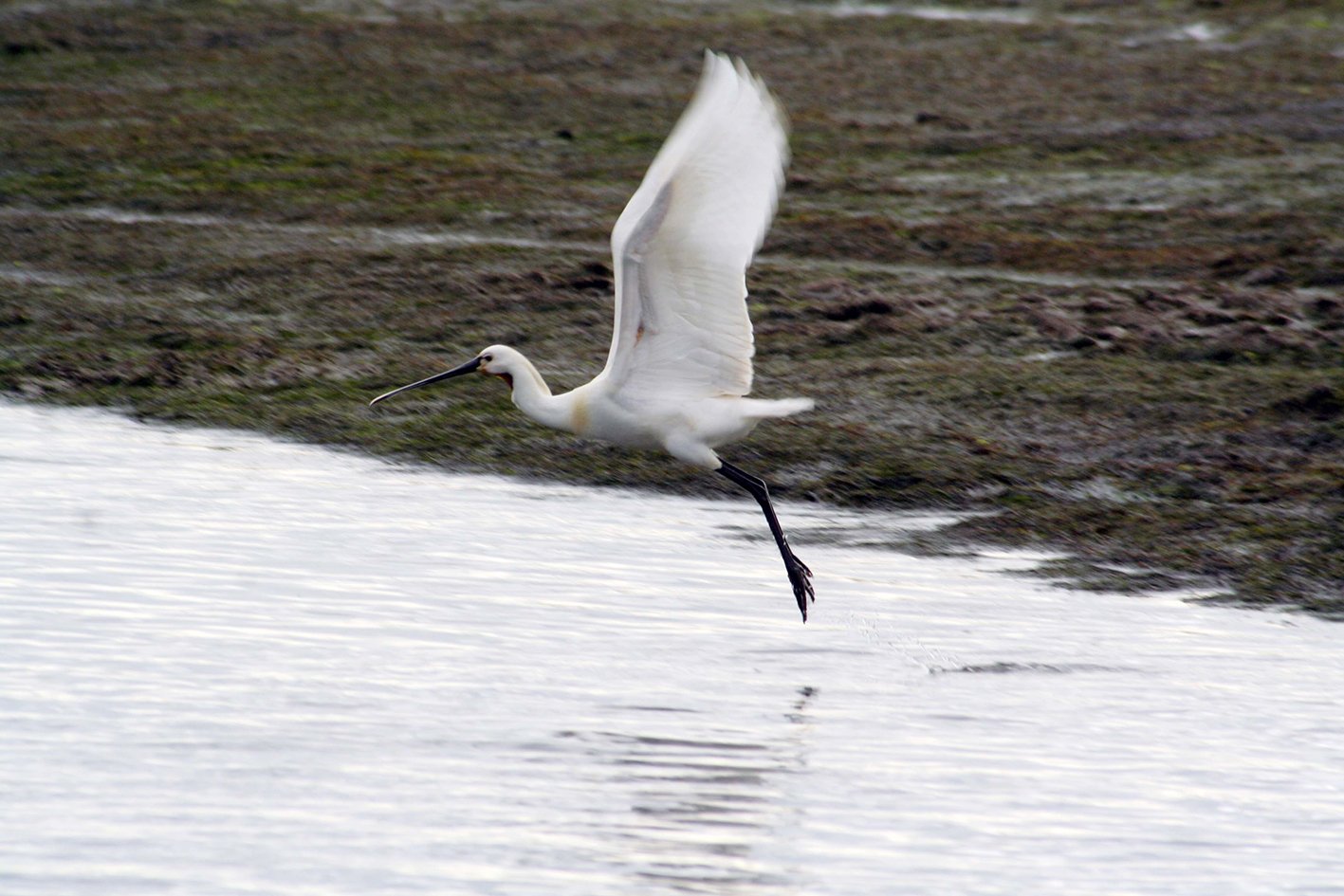
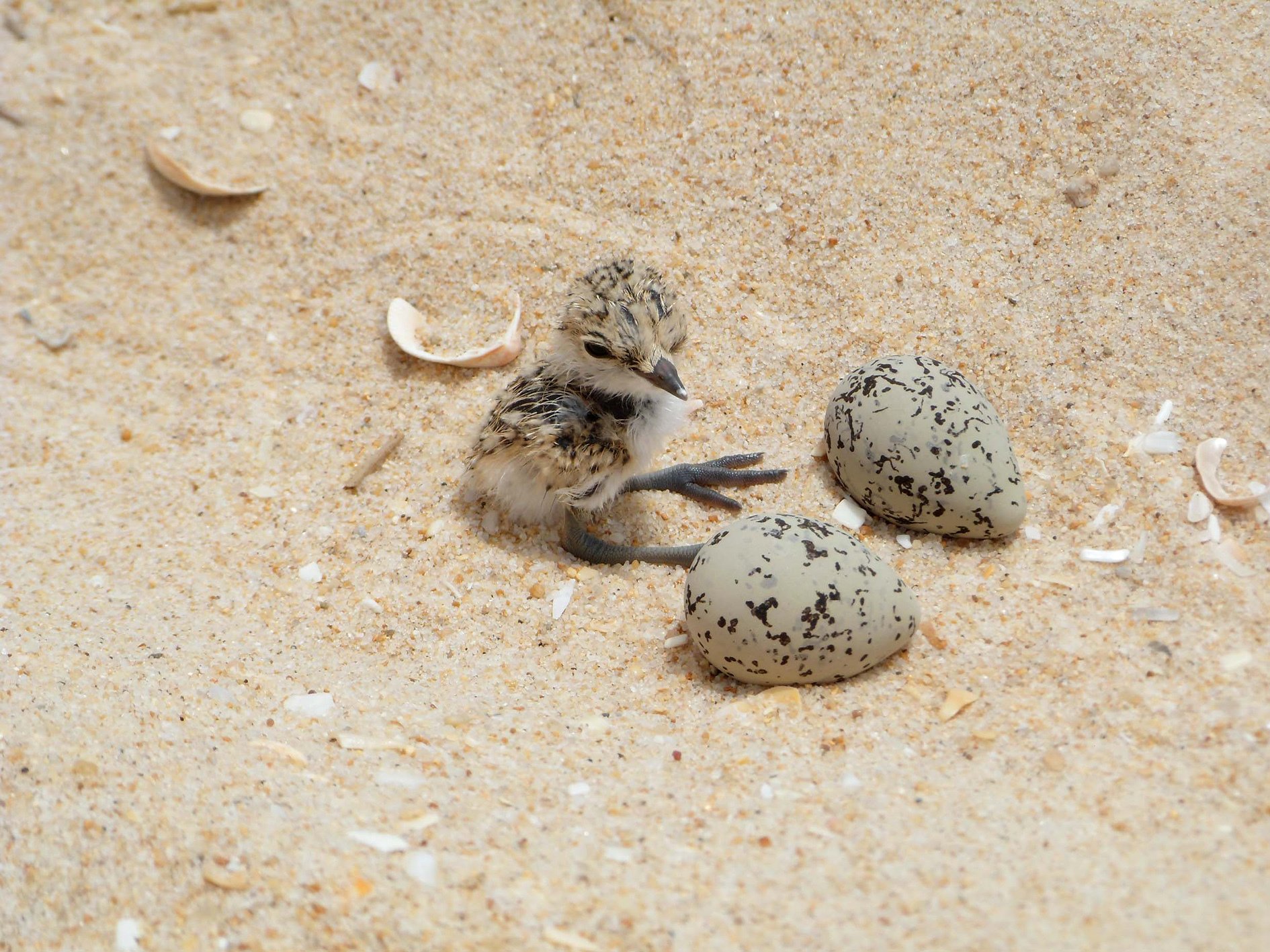
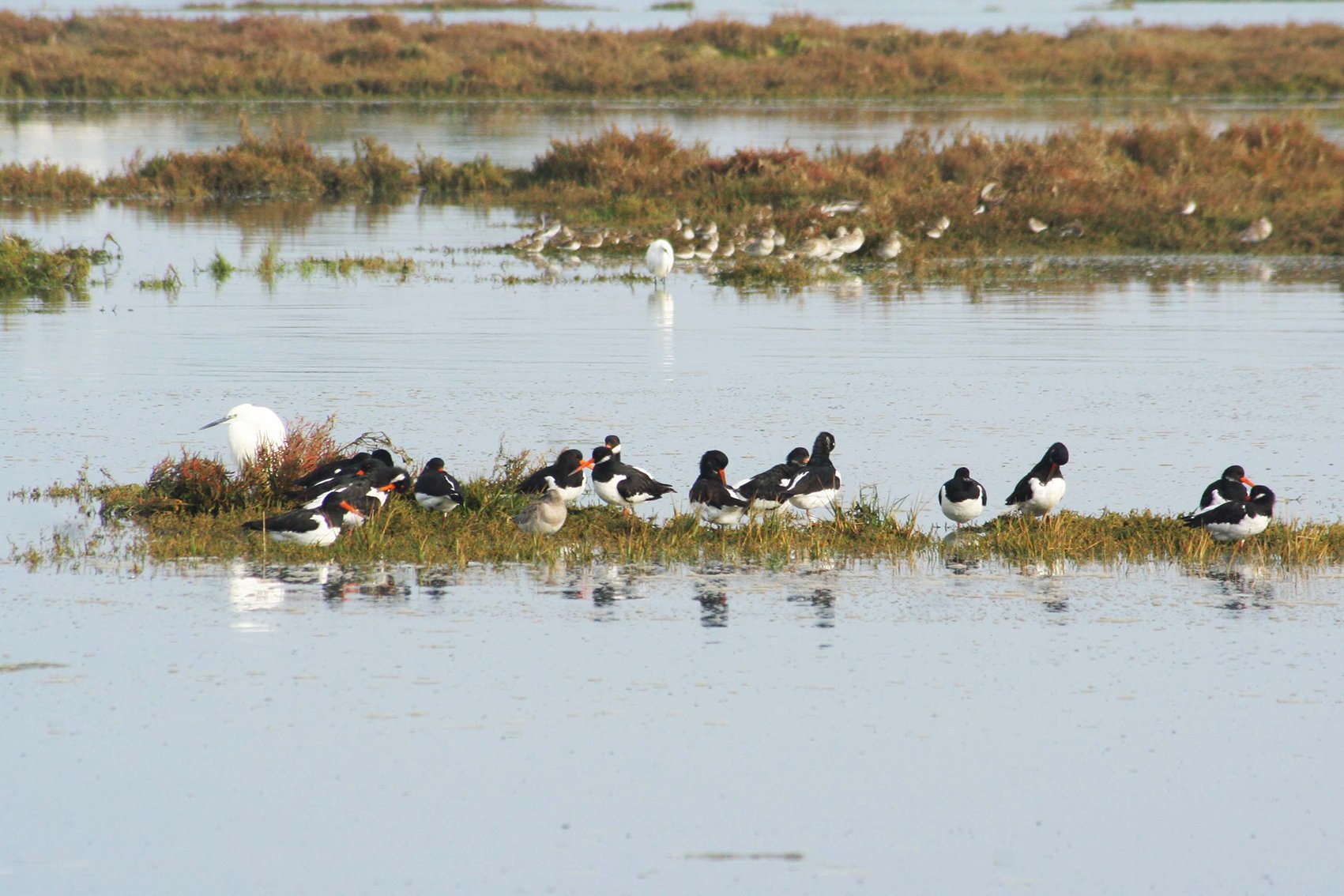
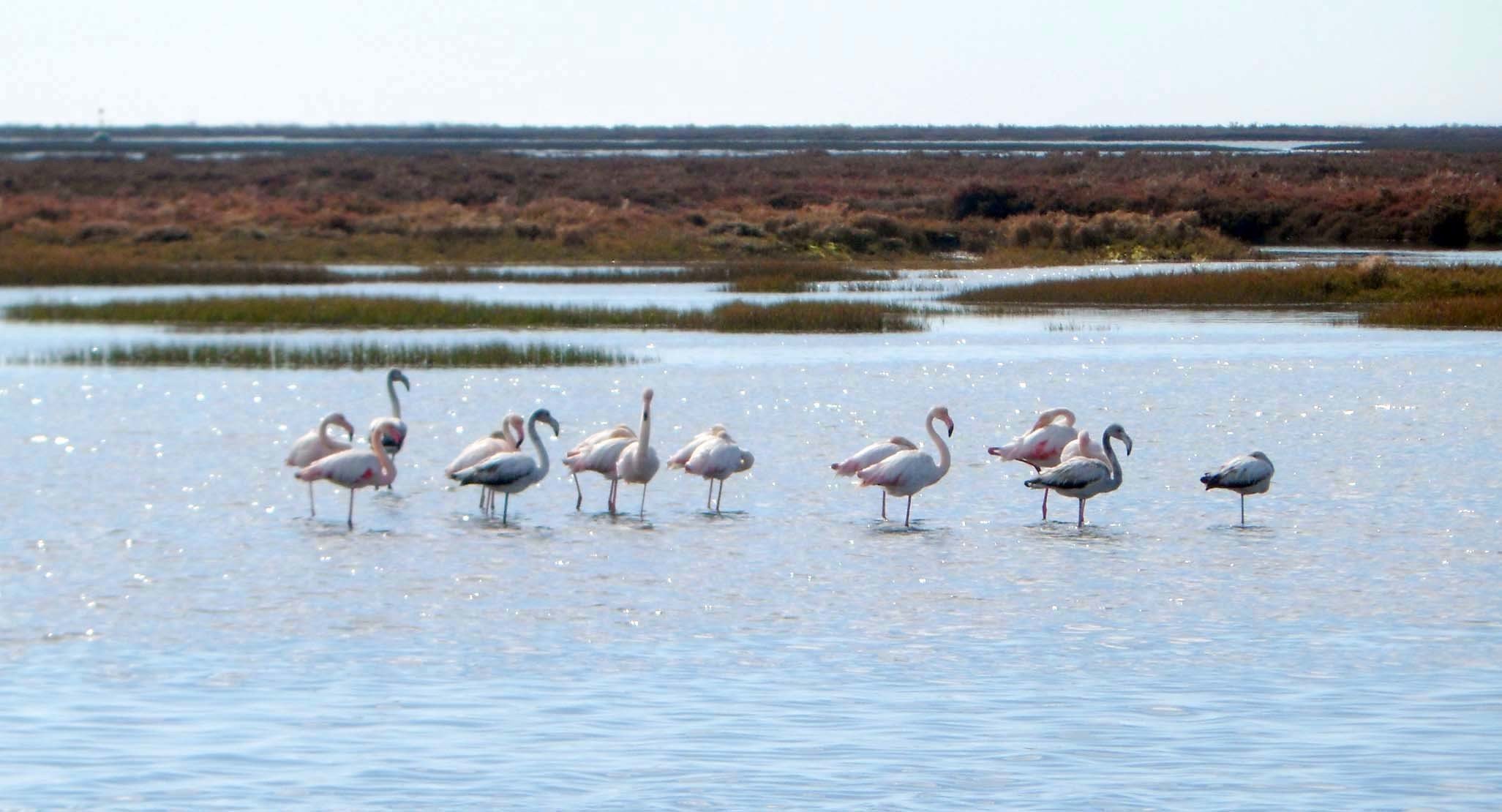
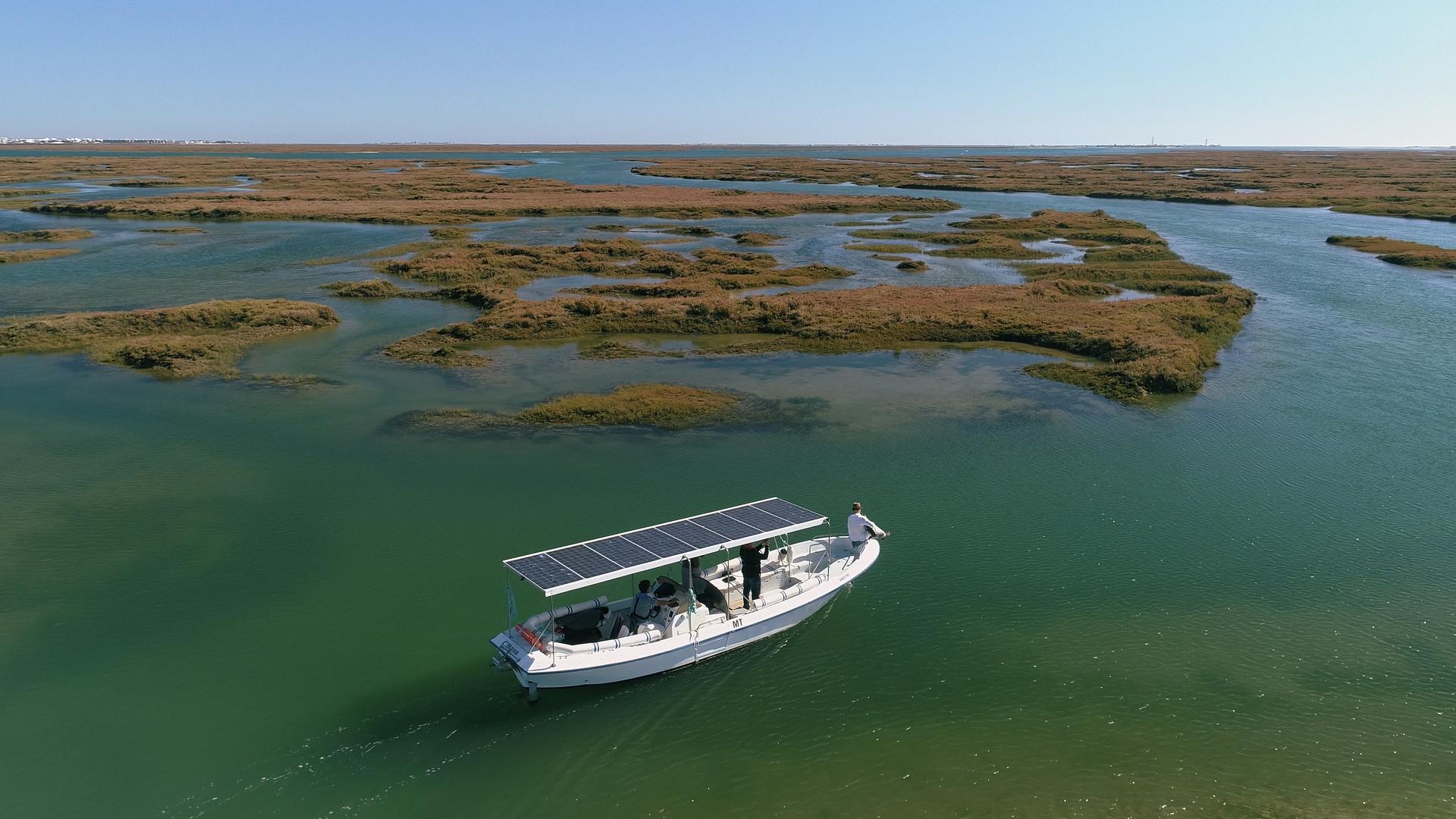
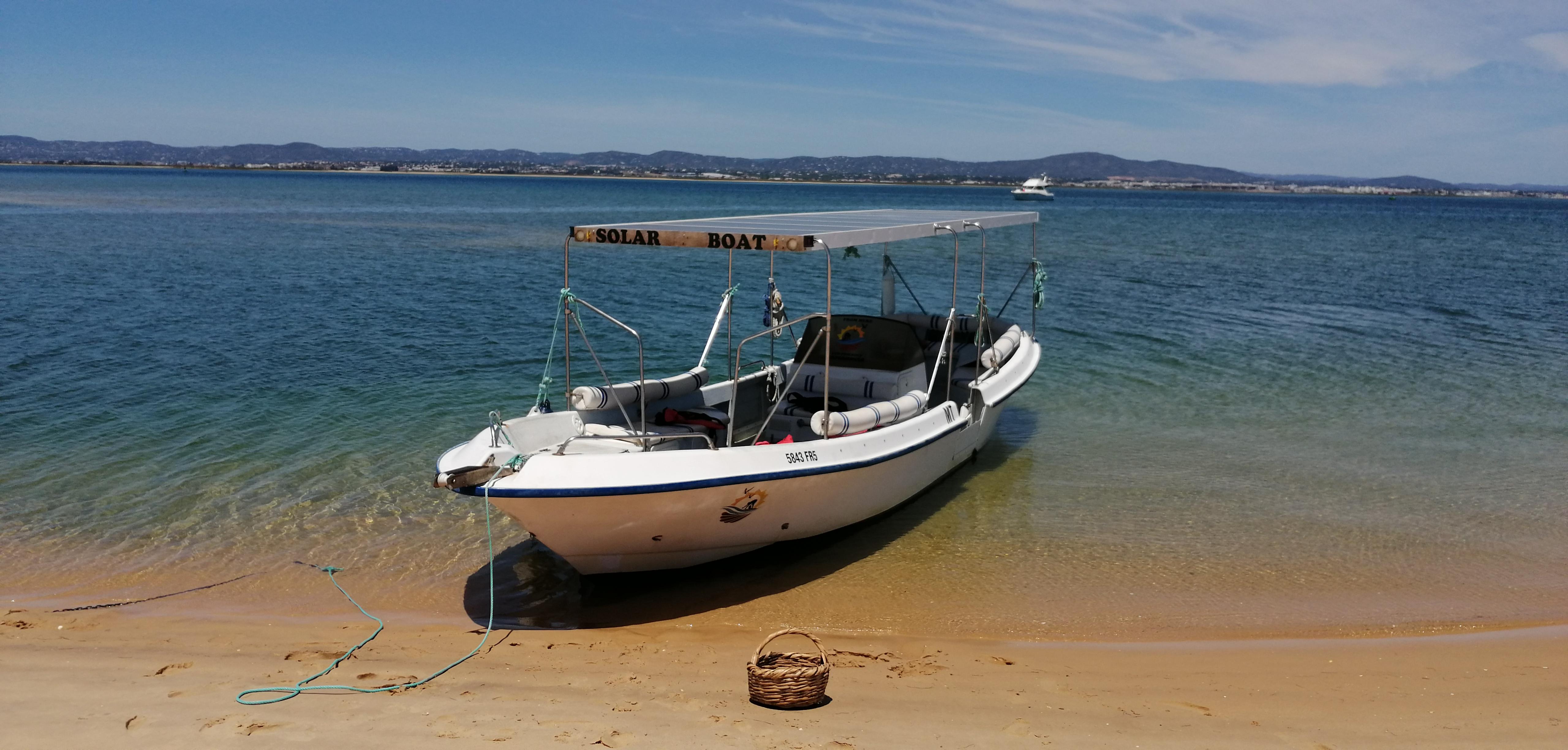
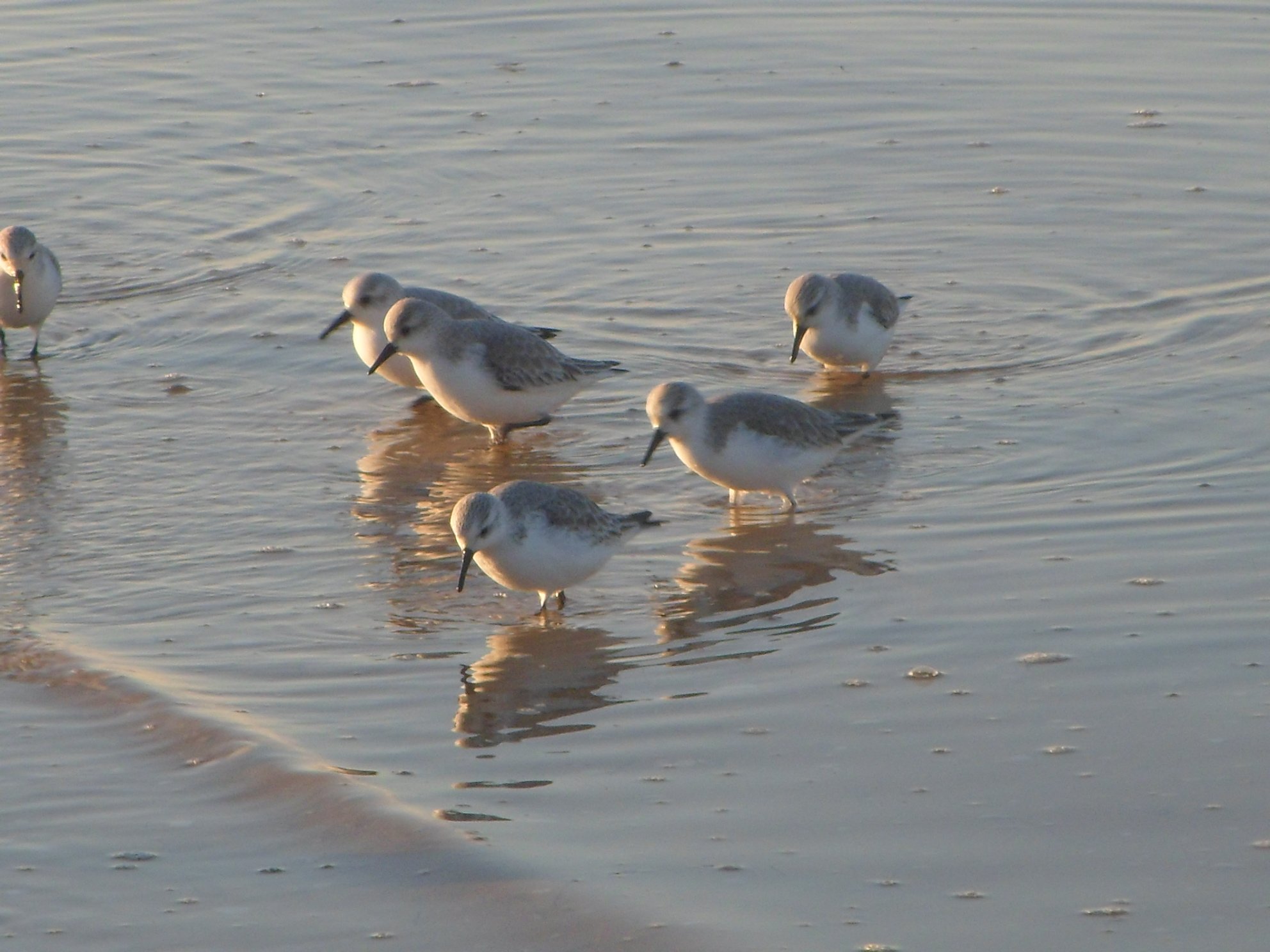
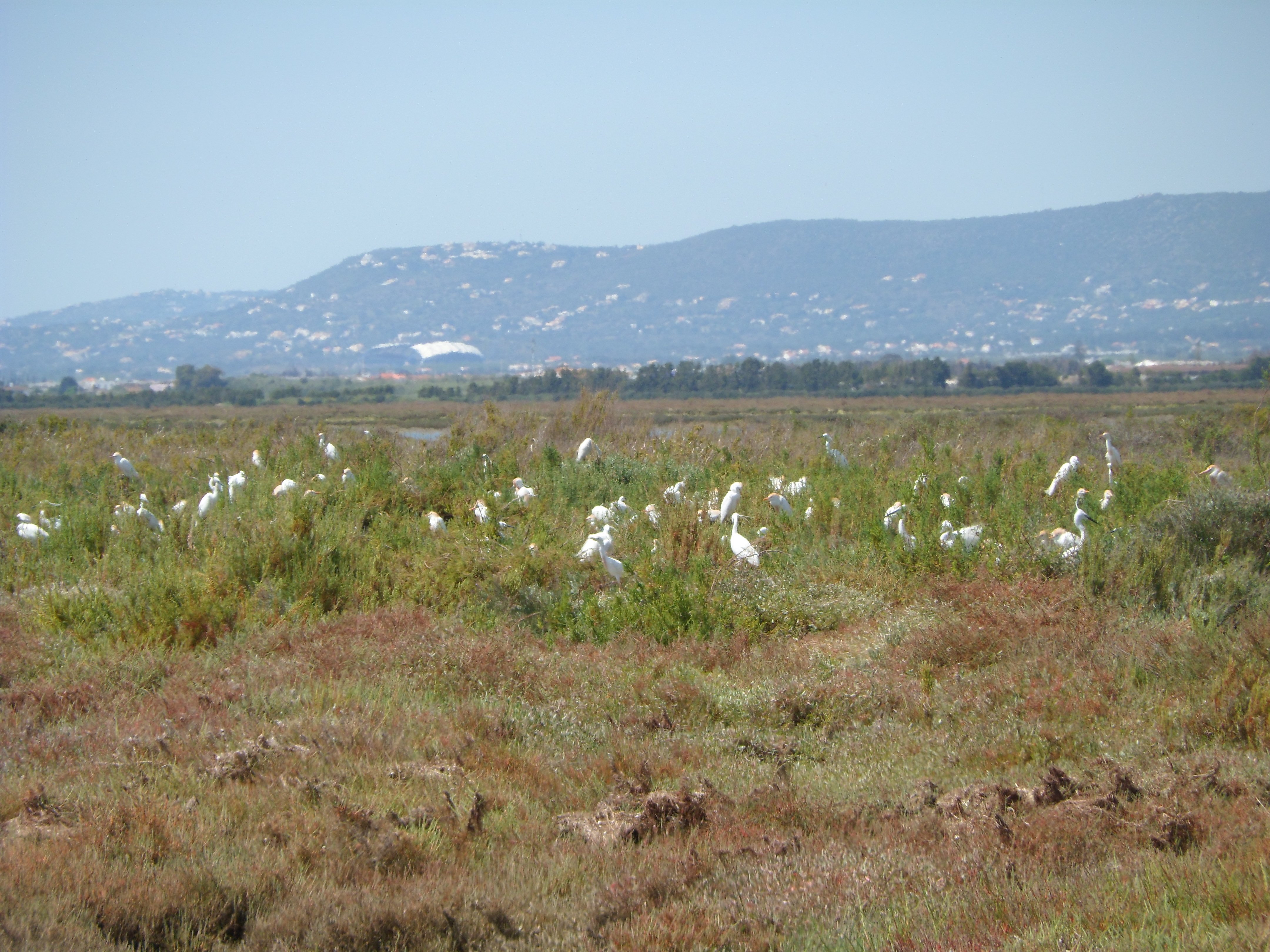
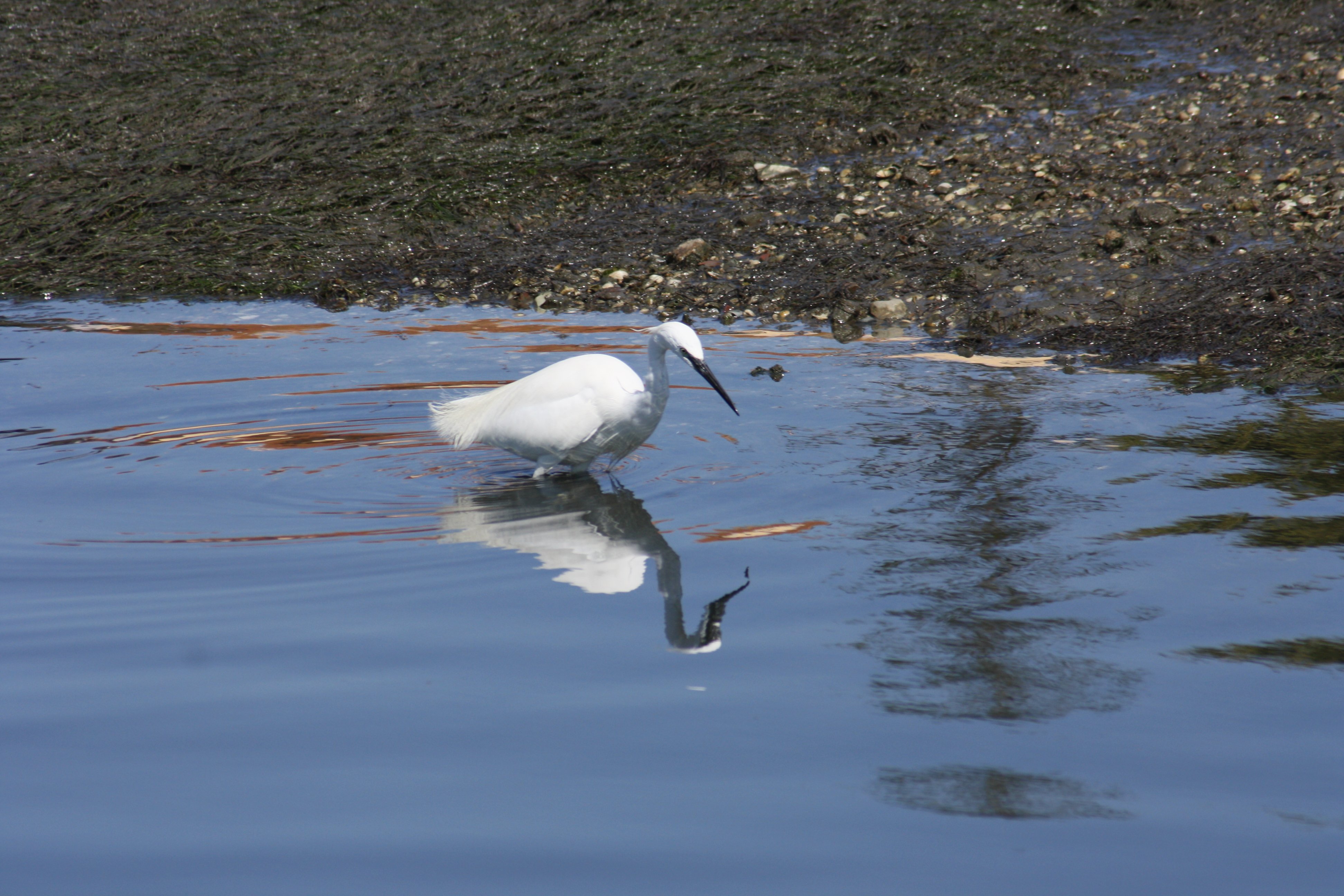
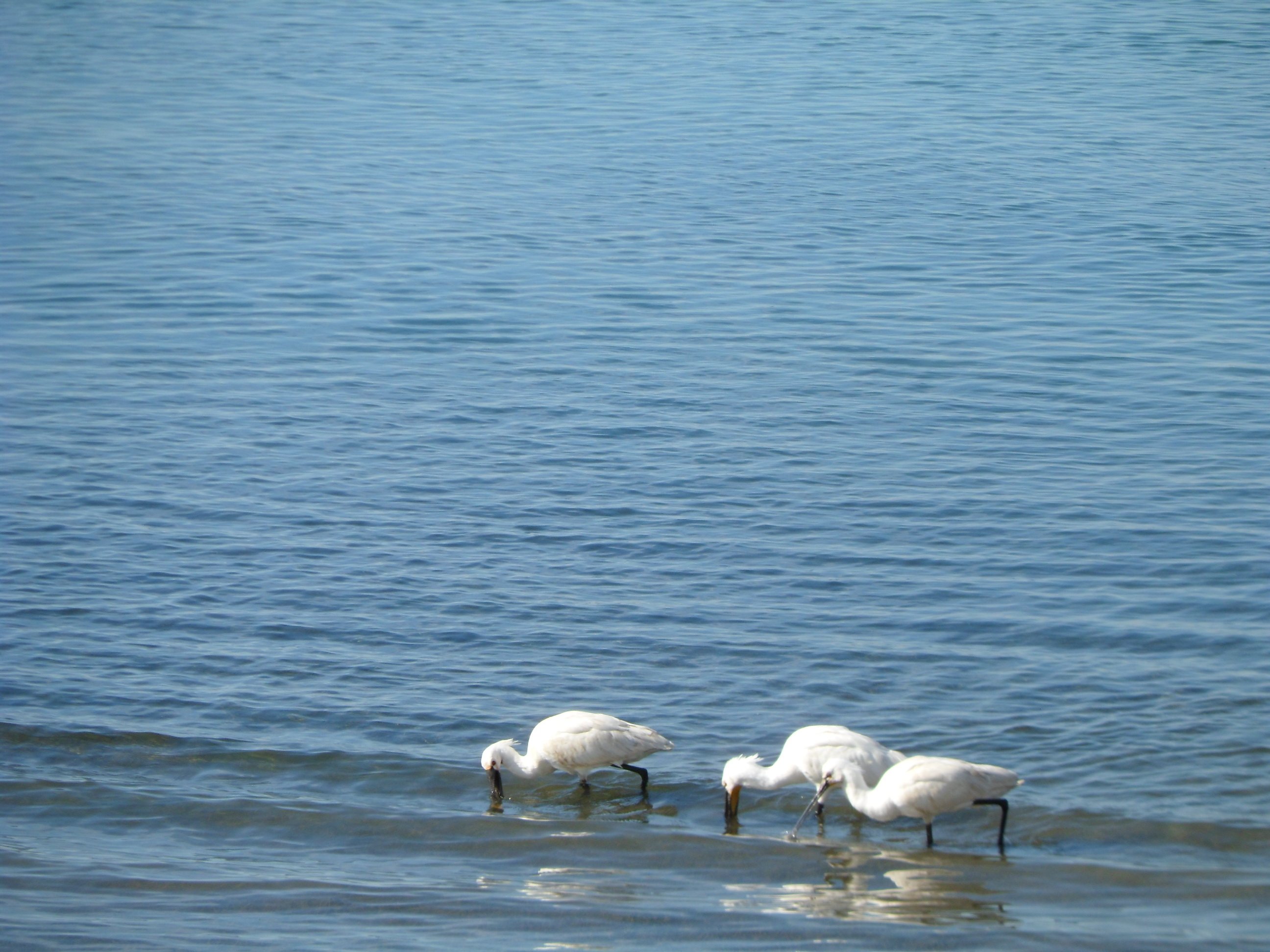
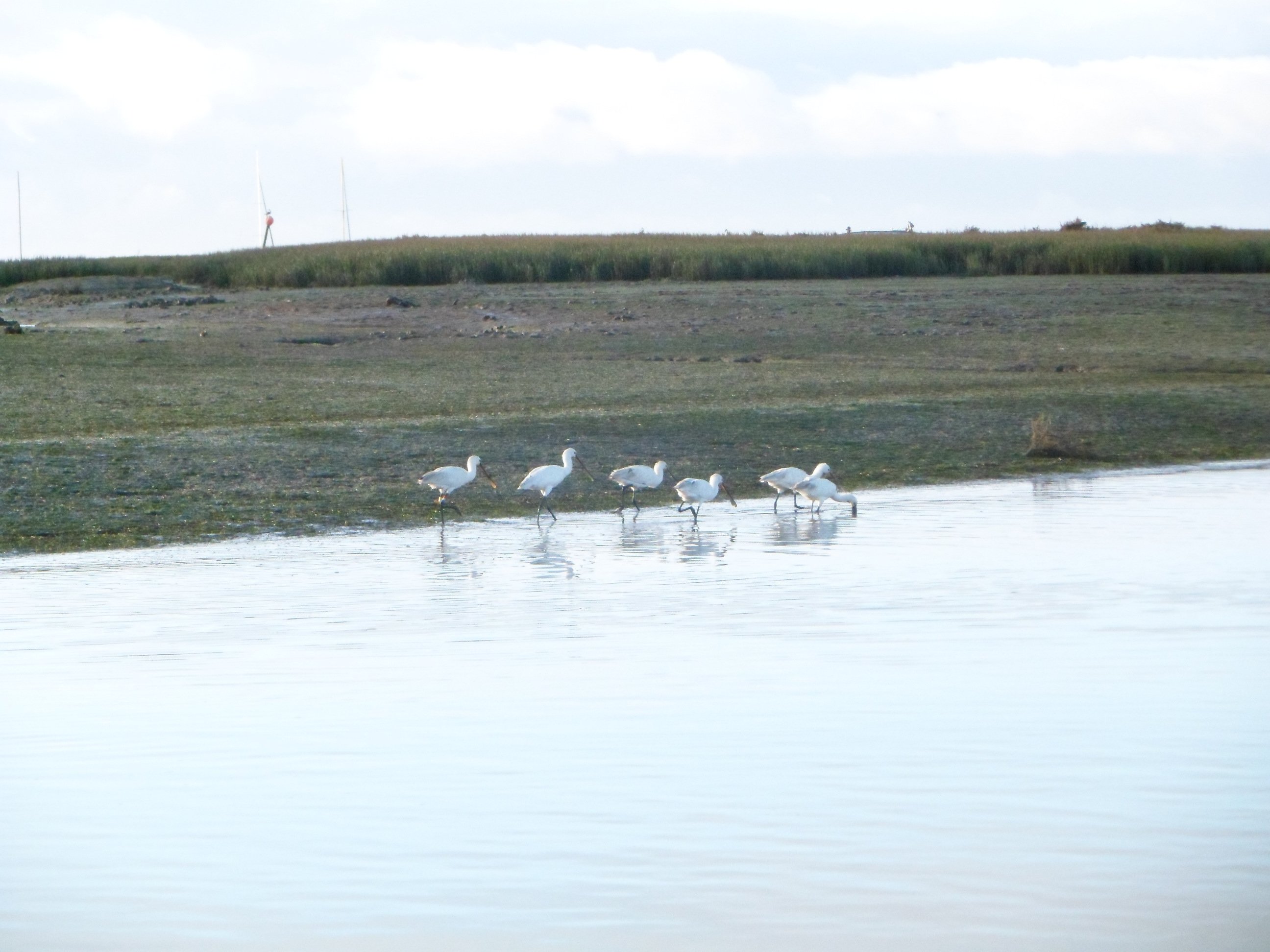
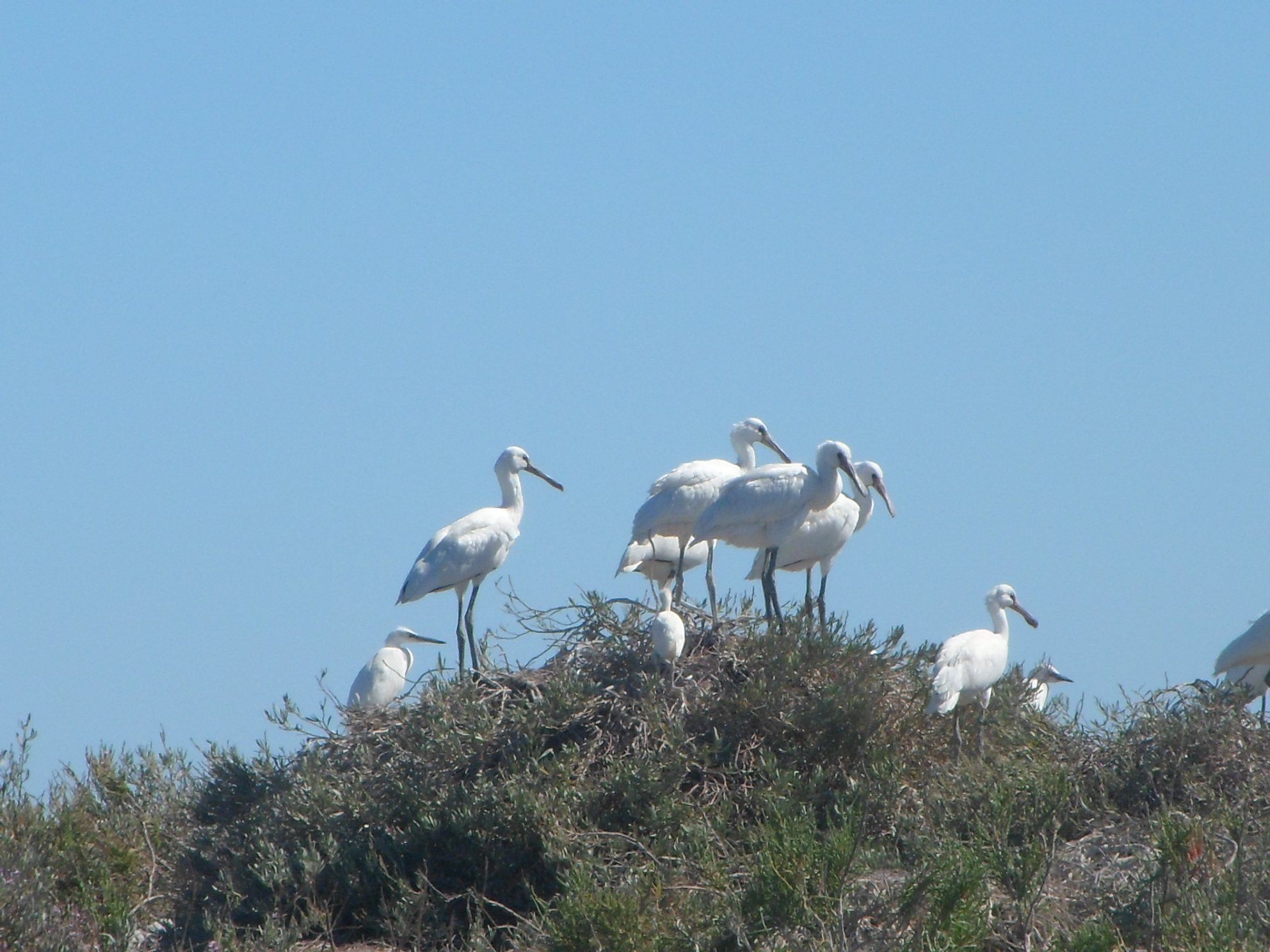
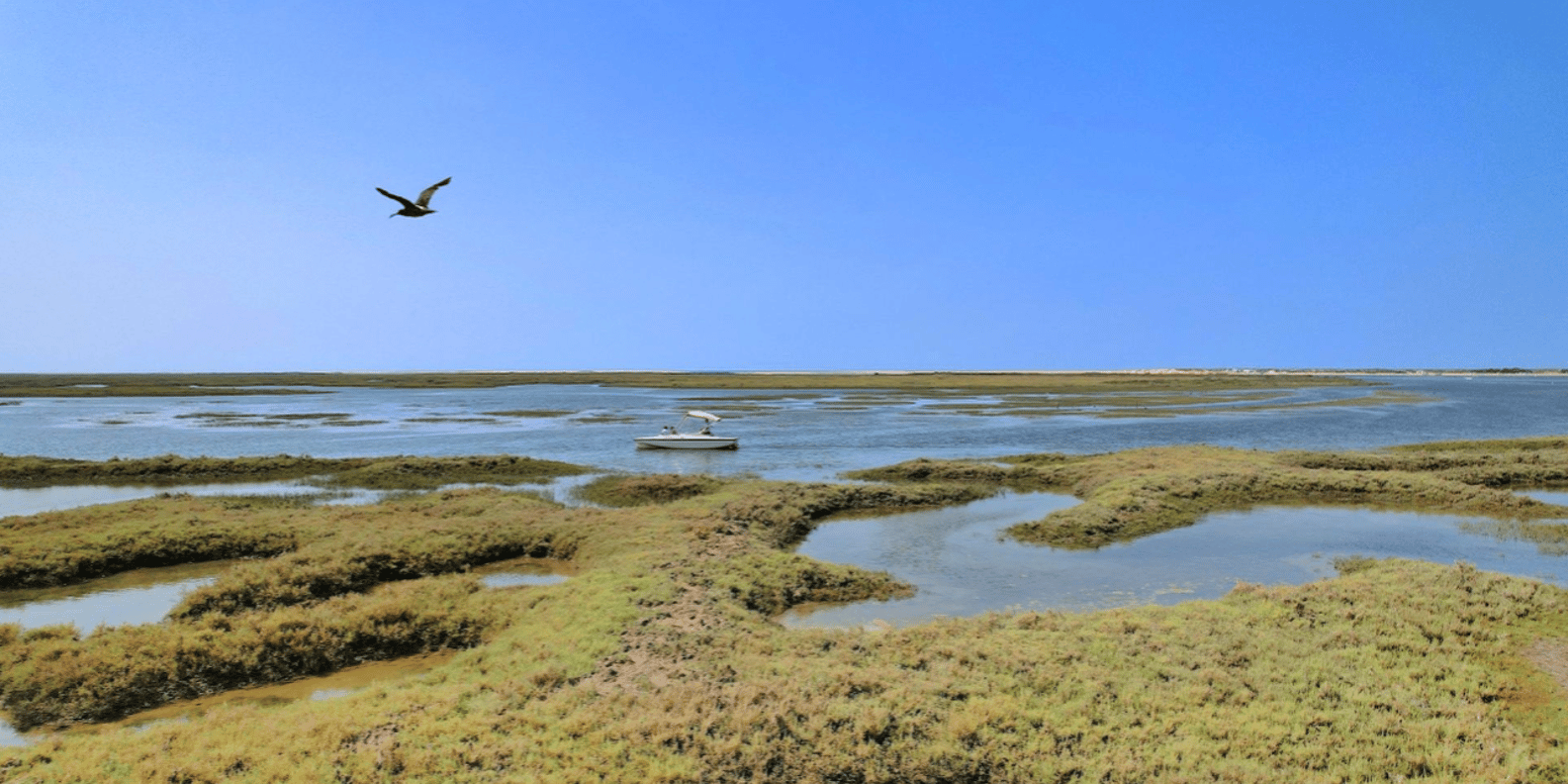
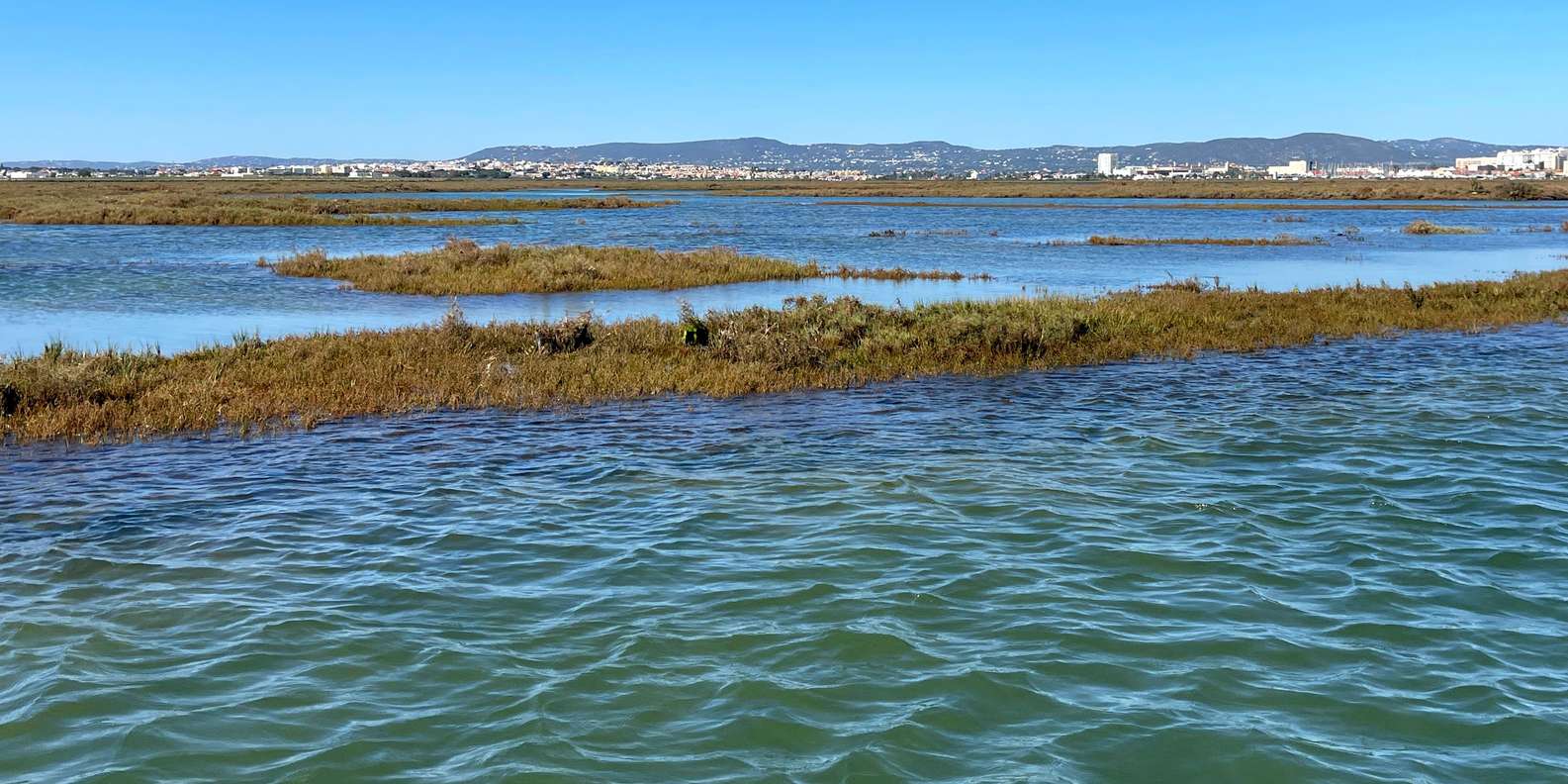
The Lagoon from the Solar Boat
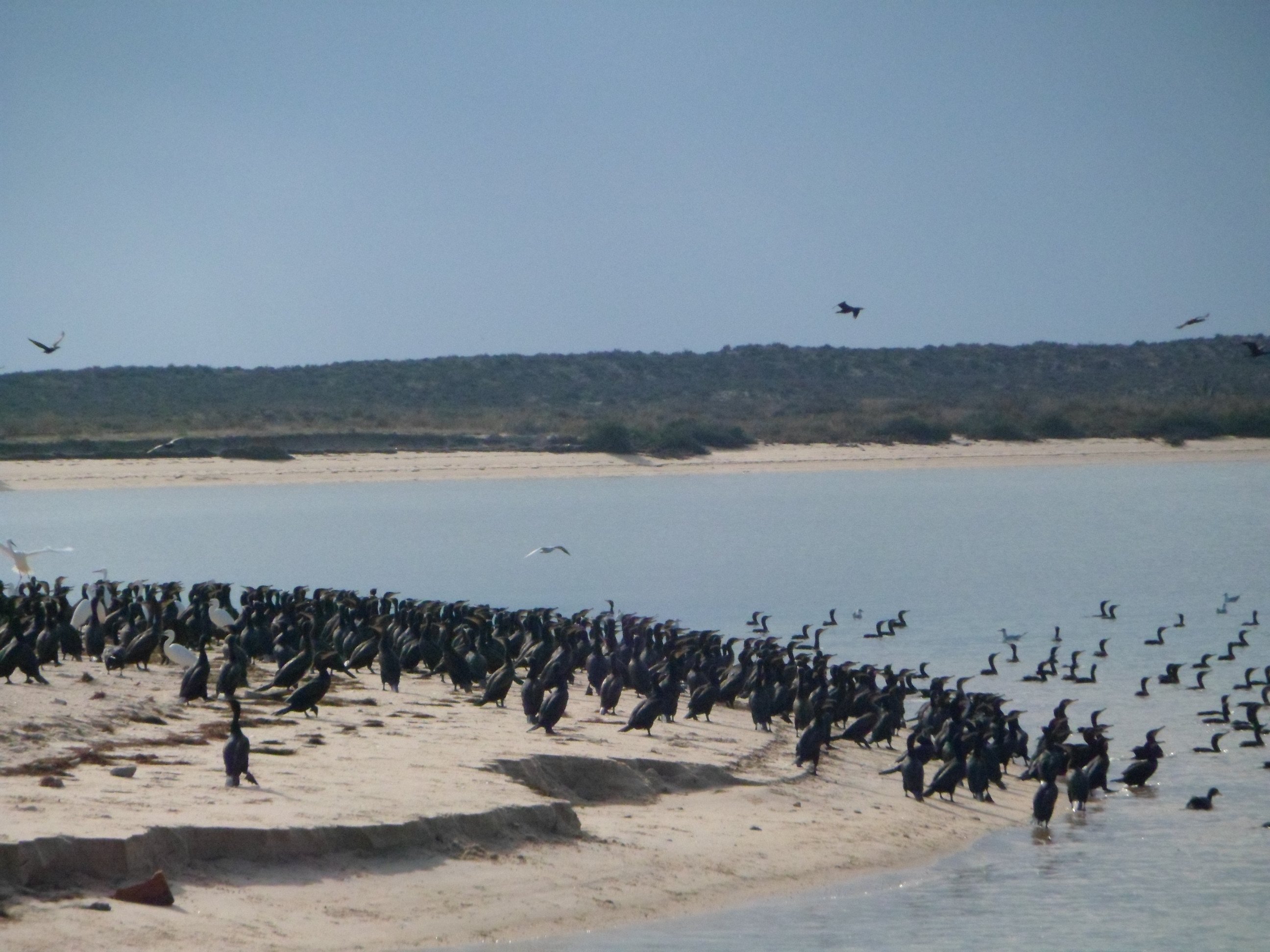
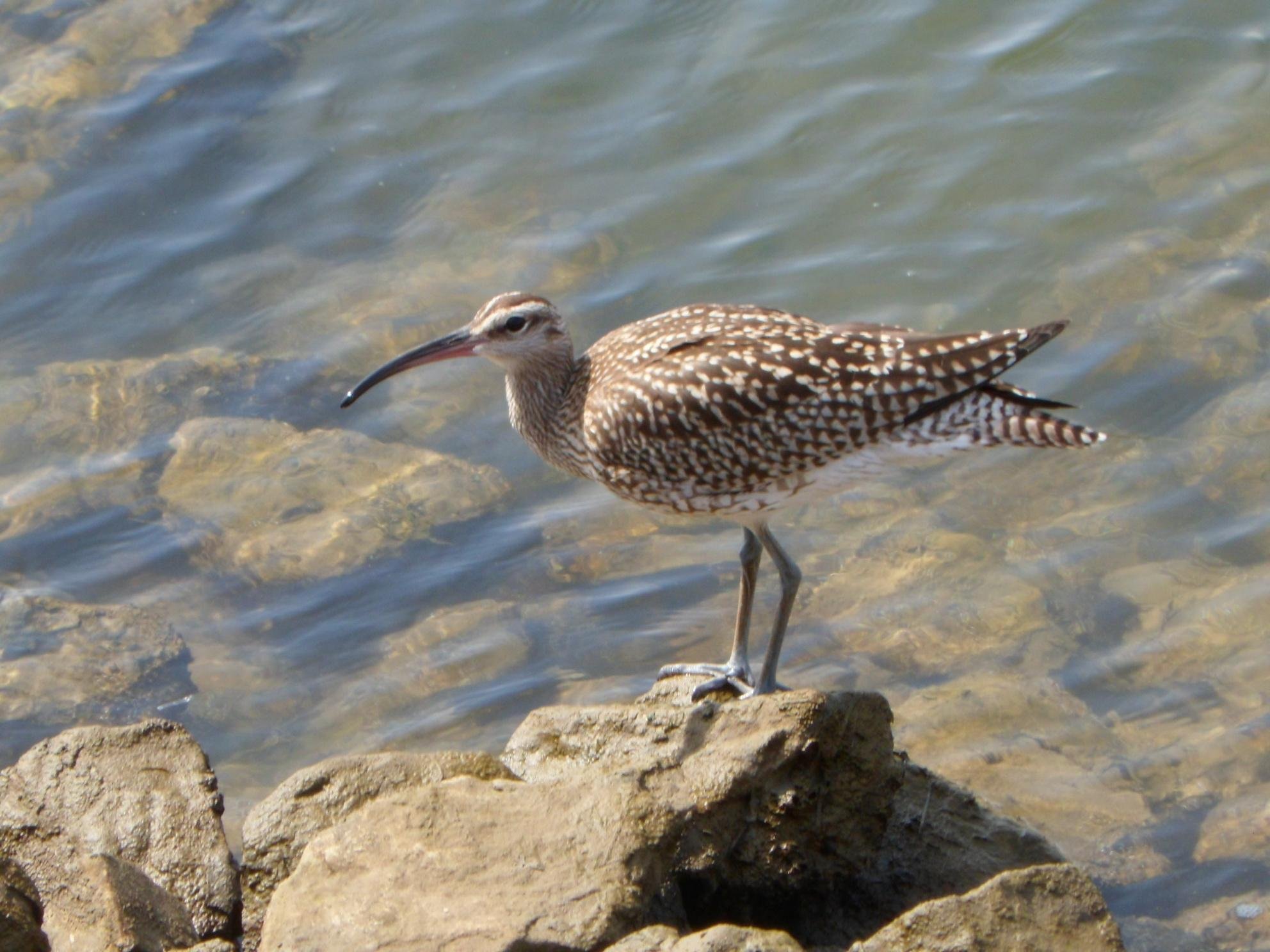
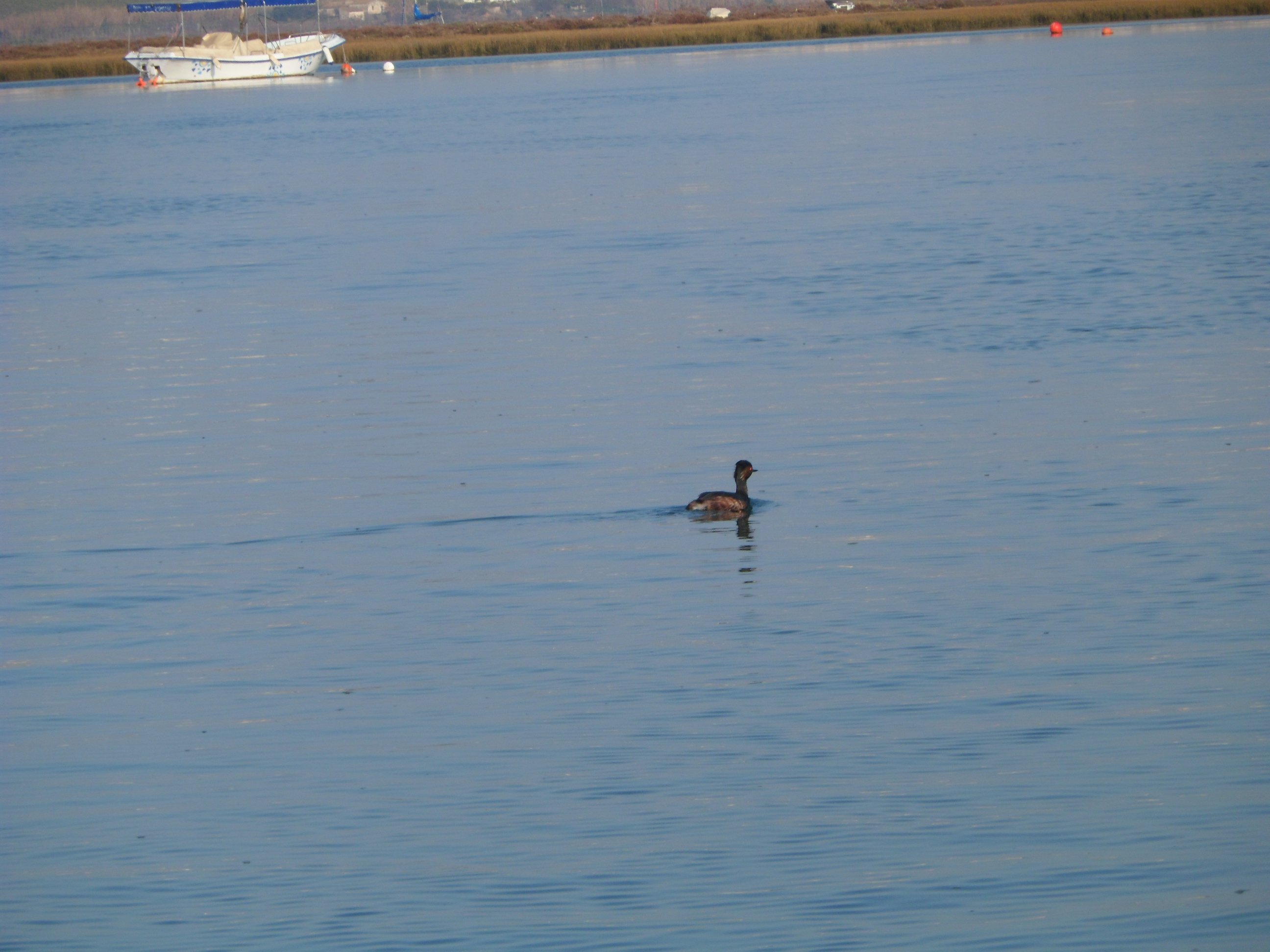
The operator's own photographs from the trip into the channels off Faro.
Book Your Experience
Check Availability & Prices
Select your preferred date and time. Free cancellation up to 24 hours before departure.
The Solar Boat, the Biologist Walk and the Jeep Day
Three ways into the Ria Formosa, with what each listing actually says. One floats through the tidal channels off Faro, one walks the reed lagoons and salt pans at Ludo, and one drives in from Albufeira to the salt pans at Olhão and adds a lagoon boat.
| Feature | OUR PICK Solar Boat from Faro | Birdwatching Walk with a Biologist | Open Jeep Day from Albufeira |
|---|---|---|---|
| What You Pay | From about $45 per person | From about $68 per person | From about $77 per person; lunch is not included |
| What It Is | A solar-powered boat through the saltwater channels where the birds feed, with a skipper and a local guide | A guided birdwatching walk on selected trails at Ludo, with a biologist guide and a digital nature guide | An open-roof 4x4 day: dirt tracks in the hills, the salt pans at Olhão, Olhão market, lunch in Fuseta, a lagoon boat and a beach |
| How Long | The itinerary lists 1 hour in the park; check the duration for your date when you book | 4 hours | A full day, including a 1.5-hour boat trip and 1.5 hours on a beach |
| Where It Starts | A kiosk on Rua da Porta Nova, by Faro's old-town walls | The bus stop at the Faro-beach roundabout near the airport | Hotel pickup in the Albufeira area, or meeting points in Albufeira, Armação de Pêra and Vilamoura |
| Binoculars | Included, with printed guides to the local wildlife | Rental on request | Not listed; bring your own |
| Birds to Look For | Waders, egrets, cormorants and storks in the channels; flamingos on some days | The listing names flamingos, spoonbills, herons and ospreys (ospreys in winter), plus the freshwater birds of Ludo | Flamingos at the Necton salt pans by Olhão, subject to nature |
| Who Runs It | fromherefaro | AquaTerra Tours | TRUESPIRIT Algarve |
| Reviews | 4.7 / 5 from 422 verified reviews | 5.0 / 5 from 8 verified reviews | 4.8 / 5 from 18 verified reviews |
| What It Is Not | Not a flamingo guarantee, and the wrong habitat for the purple swamphen, which lives in freshwater reeds | Not a boat trip | Not a birding specialist day: the salt-pan stop is about 45 minutes of the itinerary |
| Best For | A first look at the lagoon, with binoculars handed out and the deepest review record of the eight | Birders who want the freshwater species and four hours with a biologist | Visitors staying around Albufeira who want flamingos, a lagoon boat and a beach in one day |
| Check Availability | See the Walk | See the Jeep Day |
The Other Ways to Do It
More Ways to Watch Birds in the Ria Formosa
Lands' two-hour solar boat, the one-hour catamaran, three walks, the Segway ride at Ludo and the jeep day from Albufeira, with the platform's own prices, ratings and review counts. Titles are the operators' own.
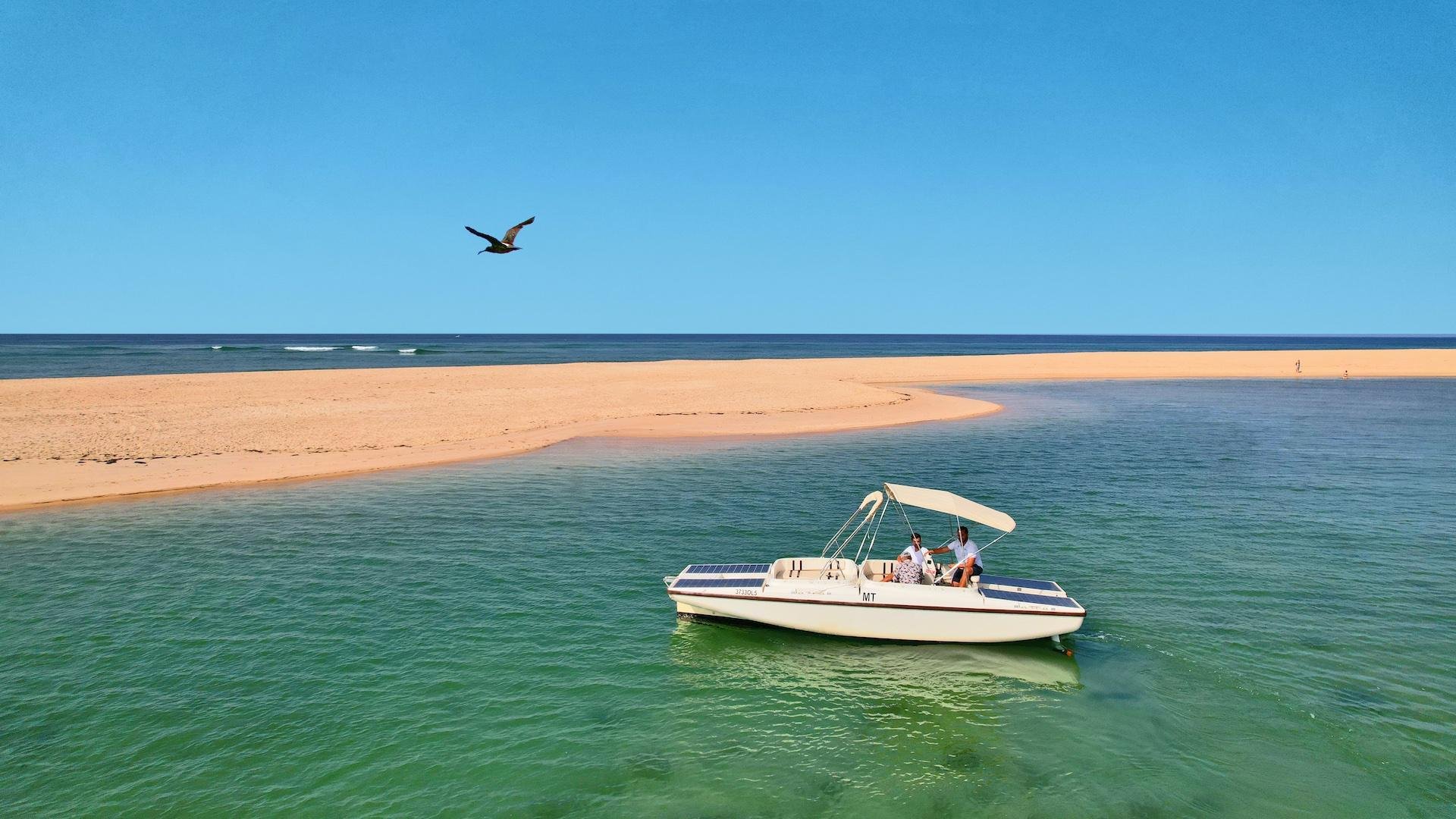 SOLAR BOAT, A WALK IN APR–MAY
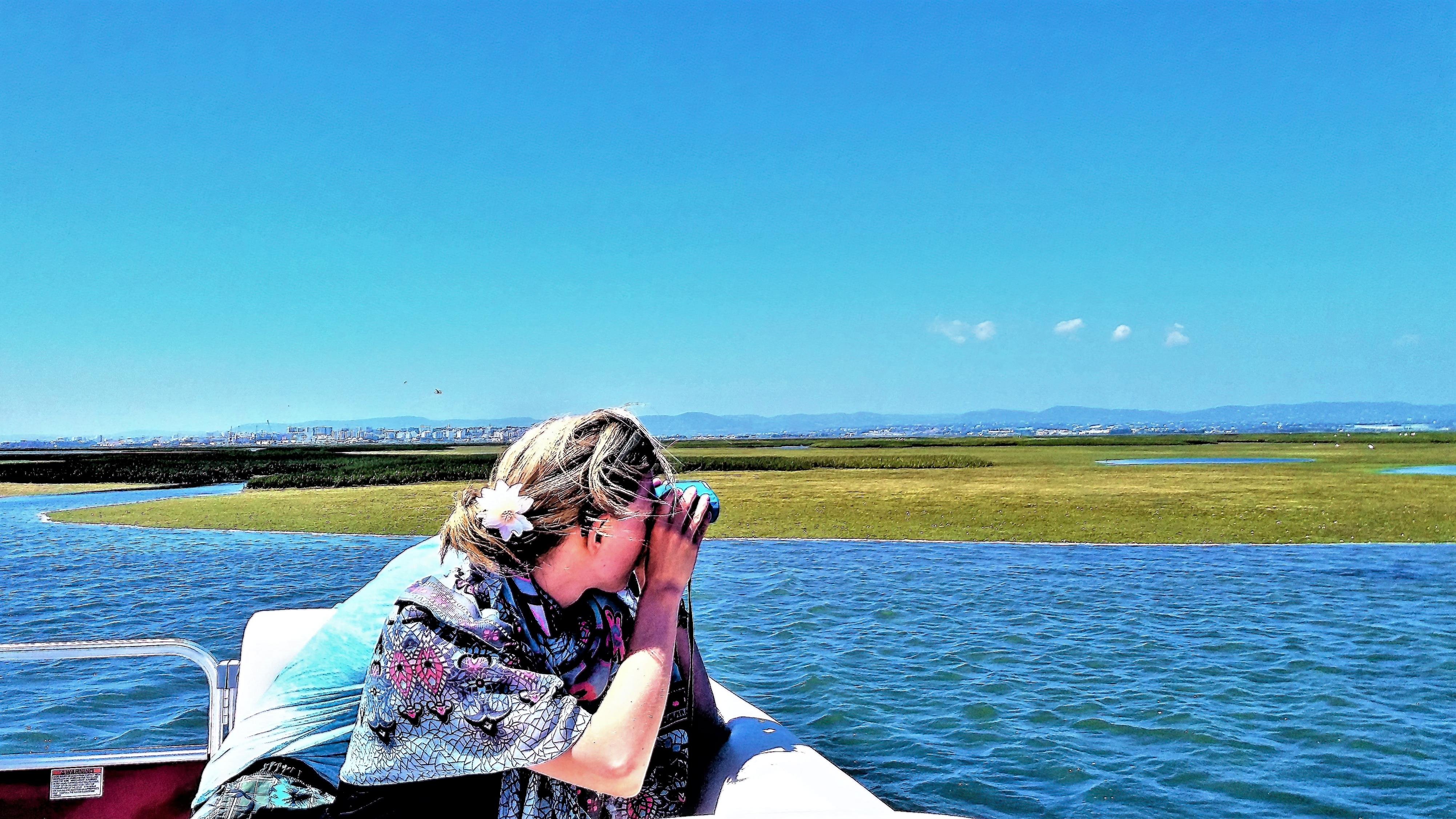
Faro: Ria Formosa Eco Birdwatching Boat Tour
Discover the untouched beauty of the Ria Formosa Lagoon on a 2-hour solar-powered boat tour departing from Faro. This eco-friendly experience invites you to explore …
 1-HOUR CATAMARAN
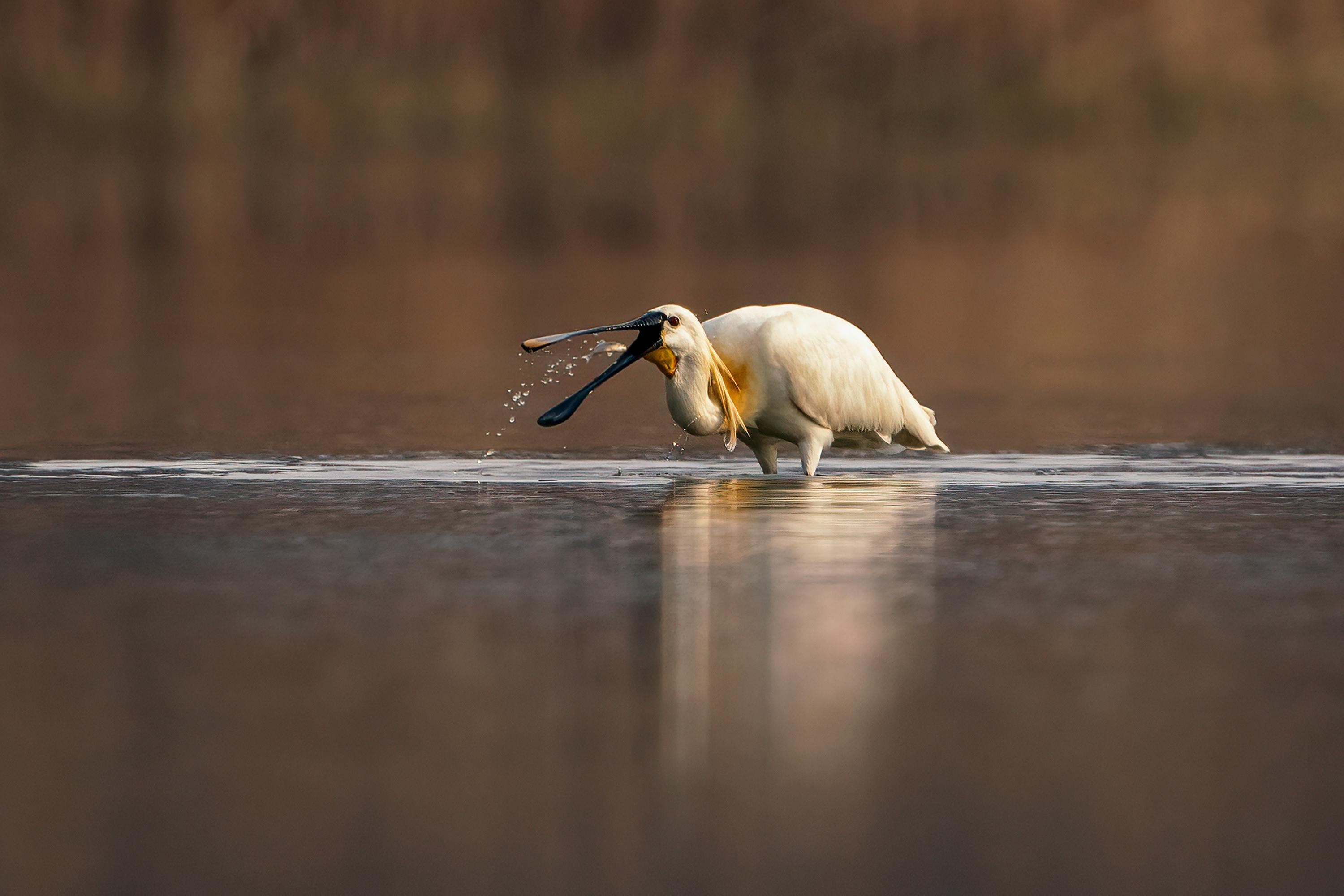
Faro: Ria Formosa Boat Tour
Hop aboard a comfortable catamaran and experience the feel of nature as you get to know the different species of birds that inhabit the Ria Formosa Natural Park. …
 4 HOURS WITH A BIOLOGIST
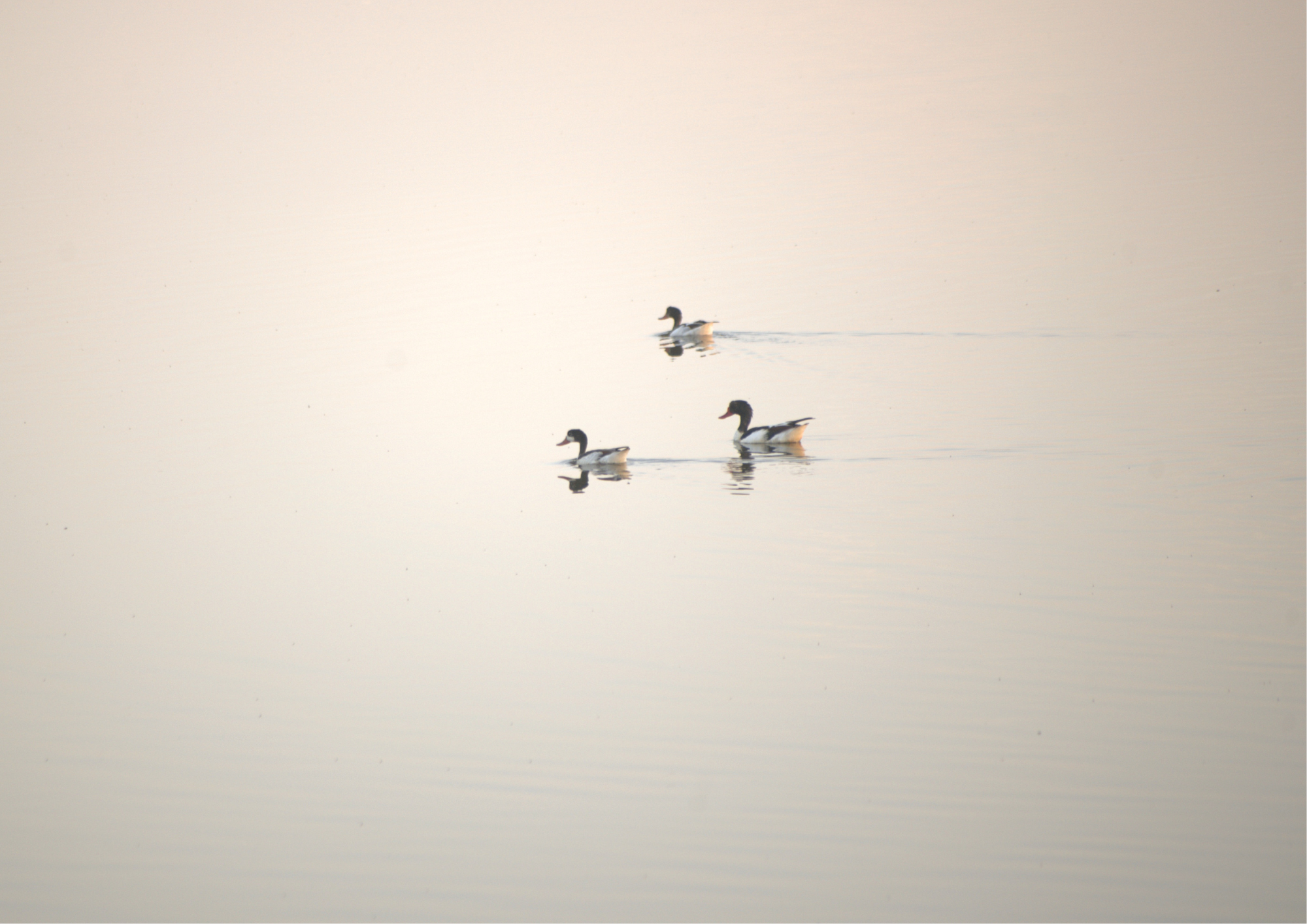
Faro: Ria Formosa Birdwatching Tour with Biologist Guide
Venture into the Ria Formosa Natural Park, an internationally renowned bird sanctuary. Embark on a unique ornithological expedition through the Ria Formosa Natural …
 SUNSET WALK, NO BOAT
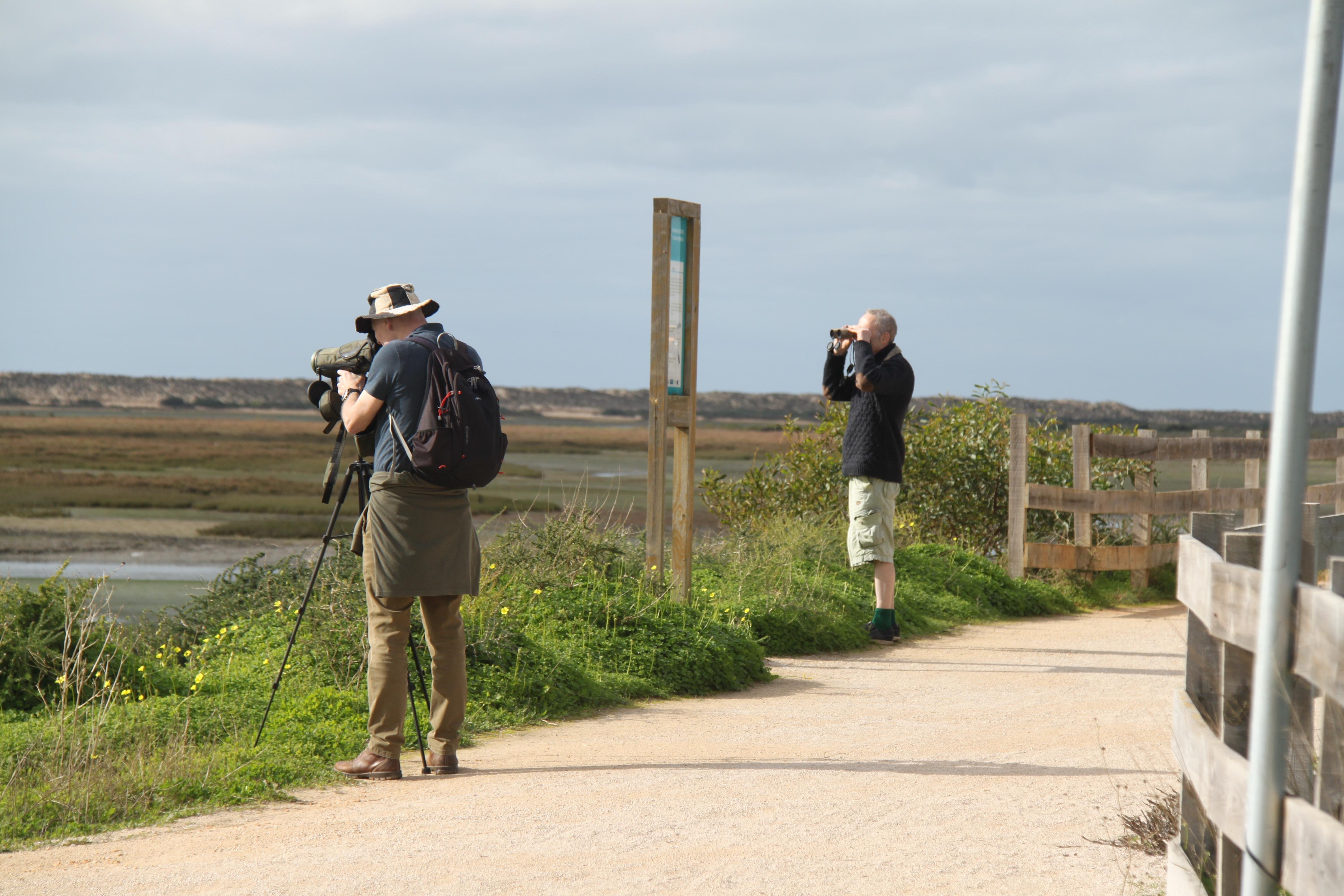
Faro: Ria Formosa Sunset Birdwatching & Ecology Walk
Begin your walk at the roundabout near Praia de Faro, known locally as the “Crab Roundabout,” meeting your naturalist guide from AquaTerra. This is a relaxed, …
 ABOUT 5 KM ON FOOT
Faro: Ria Formosa Birdwatching
Experience the Ria Formosa like no one else! Our experienced biologist will explain everything in detail about the Ria Formosa Natural Park on a guided tour of one …
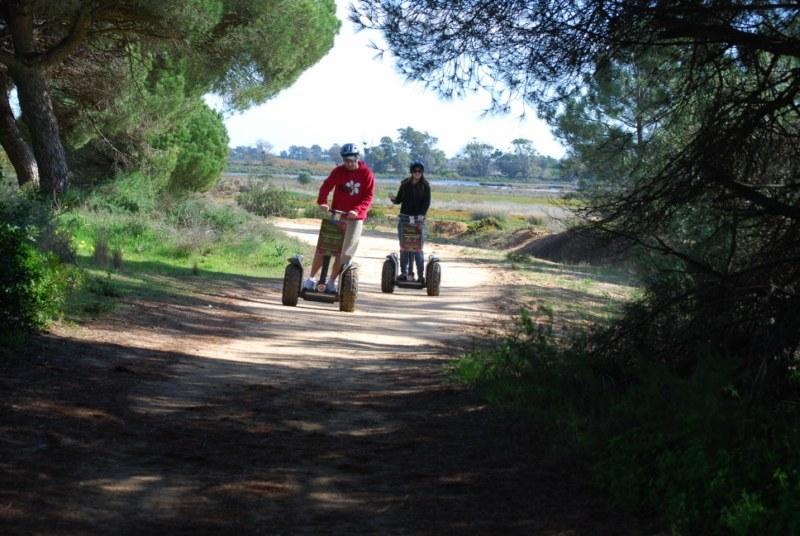 SEGWAY AT LUDO
Faro: Ria Formosa Natural Park Segway Tour & Birdwatching
Explore the plant and animal wildlife outside Faro on a 1.5-hour trip through the nearby Ria Formosa Natural Park. There, you will take a Segway tour of the reserve …
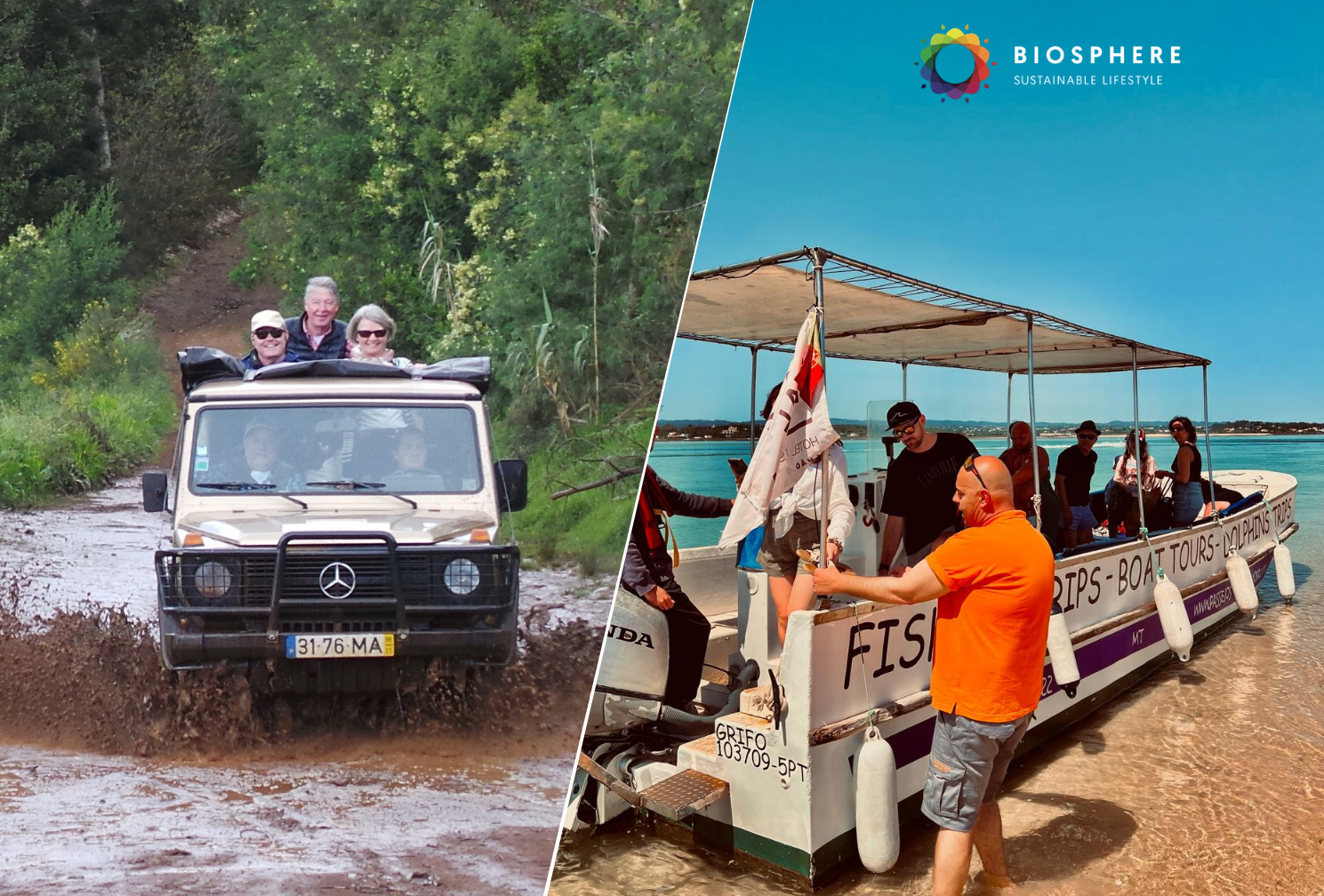 JEEP DAY FROM ALBUFEIRA
Algarve: Open Jeep Adventure, Flamingos & Ria Formosa Trip
Discover the wild side of the Algarve on this small-group 4x4 open-roof adventure, designed for travellers seeking something beyond mass tourism. Combining the …
The Independent Guide
Birdwatching in the Ria Formosa: What the Lagoon Really Shows
Boat, walk, Segway or jeep, what the tide and the season change, the birds you can realistically expect, and which trip suits whom.
The Ria Formosa is the lagoon on Faro’s doorstep. Five barrier islands and two peninsulas shelter some 55–60 km of lagoon, salt marsh and salt pans along the Algarve coast, and twice a day the tide uncovers much of it. It has been a natural park since 1987. Several tour listings call it a national park, but Portugal has only one of those, Peneda-Gerês, in the far north.
Eight trips in the park can be booked here, and they add up to three different outings: a boat through the tidal channels, a walk to the hides and salt pans at Ludo, or a jeep day that ends on the water.
For a first trip, book the solar boat from Faro’s old town. It has the most reviews of the eight, 4.7 from 422, and costs from about $45 on the booking platform. Binoculars are handed out on board, and the boat slides through the saltwater channels where the waders feed. Flamingos sometimes join in. The park’s emblem bird, the purple swamphen, won’t: it lives in freshwater reeds, and those you reach on foot.
See dates for the solar boat →
What the solar boat shows
The boat is run by fromherefaro and leaves from a kiosk on Rua da Porta Nova, by the Porta Nova gateway in the old-town walls. The listing tells you to look for the only kiosk with all the bird advertising. A skipper and a local guide come along, with printed guides to the local wildlife. One September 2026 guest wrote that the boat was silent and moved slowly, so there was plenty of time to watch the birds as it passed.
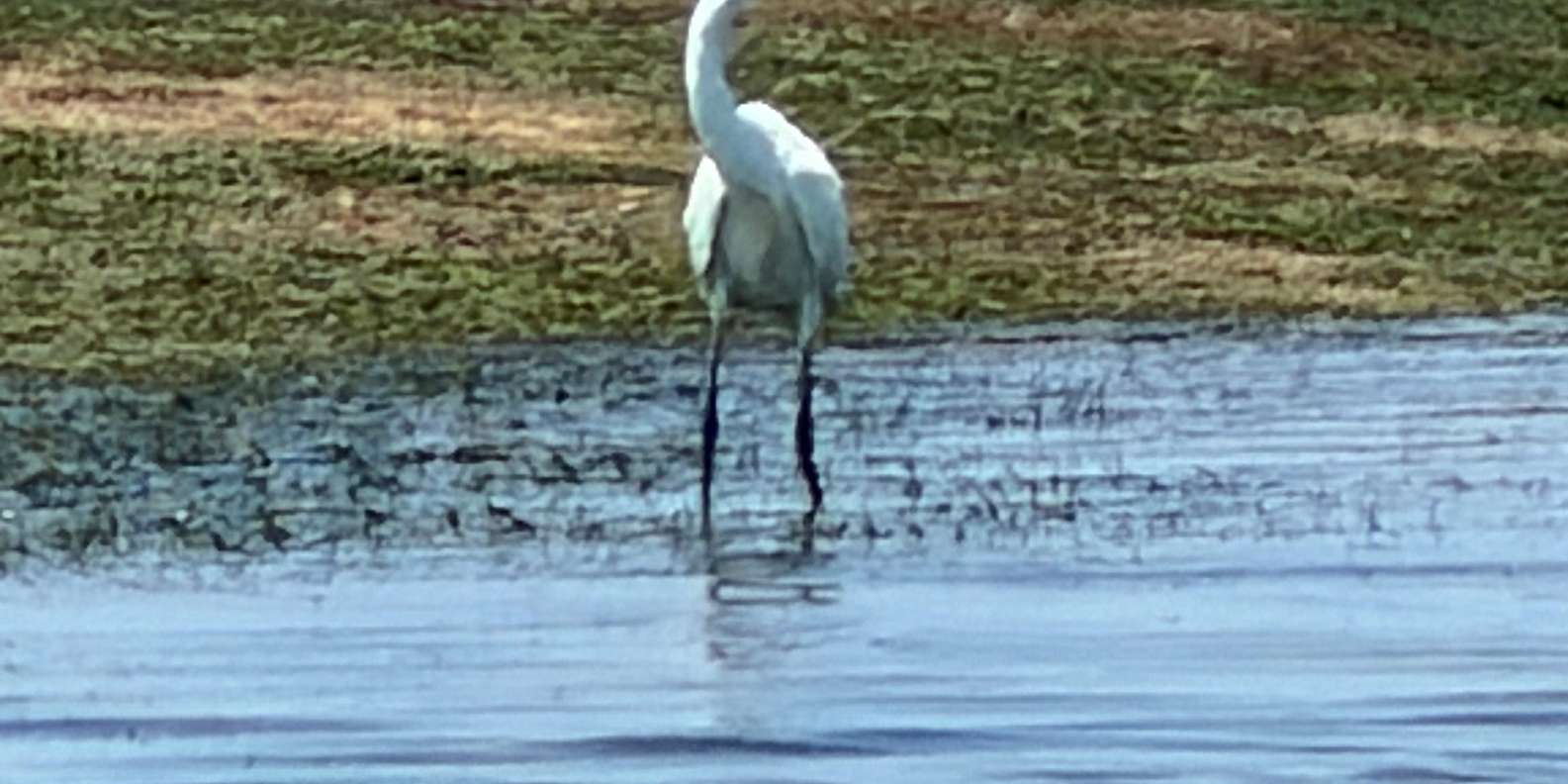
What you see depends on the tide and the month. The channel regulars are waders working the mud, egrets and herons, cormorants and white storks. Another guest that September counted 25 to 30 flamingos “as a bonus”, along with a cormorant that caught a fish and then tried to eat it. Bonus is the right word. The same reviewer found the seats faced inwards, so turning round for a bird behind you took some effort.
The listing’s itinerary gives an hour in the park, while other parts of the listing suggest a longer trip, so check the duration for the date you pick. The operator can cancel in bad weather, with notice.
Lands - Turismo na Natureza runs a second solar boat from the same street: two hours, from about $45, rated 4.7 by 96 guests, with binoculars and life vests included. Its listing names flamingos, spoonbills and herons. In April and May it becomes a two-hour walk instead, so it isn’t the boat for those dates.
The cheapest way onto the water is a one-hour catamaran run by Islands 4 you, from about $28, which meets near the marina. Its listing is plain about the limits: no guarantee of birds, best from October to March, better at low tide.
The tide runs the day
The lagoon fills and empties twice a day. On an average tide the water rises and falls about 2 m, and on big spring tides up to about 3.5 m, which leaves much of the lagoon floor uncovered at low water. The solar boat’s listing talks of 3 metres every six hours. The rhythm is right, and 3 m is a big spring tide.
That rhythm moves the birds. At low tide the waders spread out over the mudflats to feed. At high tide, with the flats under water, they crowd into the salt pans to wait. So the channels are at their best around low water and the salt pans around high water. Operators plan around the tide, and it’s worth asking yours what it will be doing on your day.
The flats are farmed as well as fed on. A 2015 study put the Ria Formosa’s share of Portugal’s clam production at about 90%, and when the tide drops, the beds where the clams grow are the same mud the curlews and godwits come to probe.
On foot at Ludo, or on a Segway
West of Faro, near the airport, the trails at Ludo run between salt pans and brackish and freshwater lagoons. Here you can look for the purple swamphen, the park’s emblem, called caimão in Portuguese. It keeps to the reeds around Ludo’s freshwater lagoon and around the São Lourenço lake at Quinta do Lago next door, a lake largely ringed by a golf course, with a large hide over the water. Little bitterns, red-crested pochards and plenty of nesting white storks share the area, and flamingos and spoonbills use the salt pans.
Two walks and the Segway start here, at the “crab roundabout” on the road to Praia de Faro. AquaTerra Tours runs a four-hour birdwatching walk with a biologist guide, from about $68 and rated 5.0 by 8 guests; two of them mention that the guide sent them his photos from the walk afterwards. AquaTerra also runs a sunset walk of about 9 km on dirt paths, from about $55, which stops at two birdwatching houses and the São Lourenço Bird Hide.
Algarve by Segway covers the Ludo paths on two wheels in an hour and a half, from about $63, with binoculars included and 210 reviews at 4.9. It suits people who want a ride more than a hide. A third walk, run by Nuno Filipe Gomes, covers about 5 km with a guide who has a degree in biology, costs about $34 and offers two start points when you book.
Boat, walk or jeep sets the formats side by side, with what each one is good for.
The jeep day from Albufeira
TRUESPIRIT Algarve’s open-jeep day suits people staying further west. It picks up in the Albufeira area, with meeting points in Albufeira, Armação de Pêra and Vilamoura. The day mixes dirt tracks in the hills with a stop of about 45 minutes at Necton, a sea-salt and microalgae producer on the salt pans by Olhão, for flamingo viewing “subject to nature”.
After the Olhão market and lunch in Fuseta, which you pay for yourself, it spends an hour and a half on the lagoon by boat, with a talk on oyster farming, and an hour and a half on a beach. It’s a full day, rated 4.8 by 18 guests, from about $77, and the birds are one part of it.
Flamingos are a bonus
No tour can promise flamingos. They feed in the salt pans and the shallows, they are most dependable from autumn into early spring, and from a boat out of Faro they turn up on some days and not on others. In summer they are possible, but not something to plan a trip around.
If flamingos matter most, the walks past the salt pans at Ludo and the jeep day’s stop at Olhão put you where they feed. The boats give you a chance at them along with everything else in the channels. Flamingos in the Ria Formosa covers where and when in more detail.
Which birds, and when
October to March is the classic season: wintering waders such as dunlin, grey plover, curlew and bar-tailed godwit, ospreys over the channels, Caspian terns, and the most dependable flamingos. Spring and autumn bring the greatest variety, as waders travelling between Africa and northern Europe stop here to feed. Summer belongs to the nesting birds, with little terns and Kentish plovers on the island beaches and black-winged stilts and avocets around the salt pans. Egrets, herons and the swamphen are here all year. The best time for birdwatching in the Ria Formosa goes through it season by season.
Out on Deserta island, the lagoon holds a world record: the largest breeding colony of Audouin’s gull, a rare Mediterranean gull, with more than 7,000 nests counted in 2024. None of the listings here offers a visit to the colony.
Well over 200 bird species have been recorded in the park. The birds of the Ria Formosa sorts the ones you can realistically expect on a short trip from the ones that take luck or a different habitat.
Watching birds in Faro on your own
You don’t need a tour to see birds here. You can walk the Ludo trails and sit in the São Lourenço hide on your own. Quinta de Marim, the park’s headquarters just east of Olhão, has a loop trail of a few kilometres past wooden bird hides, a freshwater lake, a restored tide mill and the ruins of Roman fish-salting tanks. There’s a small entry fee, paid at reception, so check the opening hours before you go.
What a guide adds is knowing where the birds are at that state of the tide, and on three of the trips, binoculars. Reviewers of the Lands boat and of the biologist walk both single that out: one guide was “very good at finding the best places to see birds”, the other “knew exactly where to go”. Where to watch birds in Faro lists the places and how to reach them.
Is it worth the trip?
For anyone who likes birds or quiet water, yes. The Ria Formosa has been on the Ramsar list of internationally important wetlands since 1980, it is an EU Special Protection Area, and in 2010 it was elected one of the 7 Natural Wonders of Portugal.
It is not a place for spectacle on demand. The lagoon is flat, the birds can be far out at low water when you watch from the shore, and the flamingos keep their own schedule. Is the Ria Formosa worth visiting? looks at who comes away happiest.
Which trip to book
Pick by how you want to spend the time:
First trip, the default
Eco-Friendly Ria Formosa Bird Watching in Solar Boat
The most-reviewed trip of the eight, binoculars on board, and the channels where the waders feed. Flamingos on some days.
Check dates →Reed beds and hides
Ria Formosa Birdwatching Tour with Biologist Guide
Four hours on the Ludo trails, where the freshwater birds and the salt pans are. Binoculars to rent on request.
See the walk →Staying near Albufeira
Open Jeep Adventure, Flamingos & Ria Formosa Trip
Pickup included, the salt pans at Olhão for flamingos if they are feeding, and an hour and a half on the lagoon by boat. Lunch is extra.
See the jeep day →Prices, ratings and review counts from our October 2026 data check; operators use seasonal pricing, so treat them as the shape of the market, not a quote.
Before you book
Every trip here has free cancellation up to 24 hours before. Binoculars come with both solar boats and the Segway, the biologist walk rents them on request, and the other listings don’t mention them, so bring a pair if you own one.
Both solar boats say they are not suitable for wheelchair users, and the sunset walk’s dirt paths are not ideal for anyone with limited mobility. Lands doesn’t take unaccompanied minors, and the jeep day isn’t for children under three. Water and sun cream are worth packing for any of them, and the sunset walk adds insect repellent to the list.
Guest Reviews
What Guests Say
4.7/5
from 422 verified guests
"Sebastian provided an informative and interesting trip, pointing out many birds in the area. We were all given a pair of binoculars which were great to be able to spot birds. The boat was silent and moved slowly, so we had plenty of time to watch birds as we sailed by. Sebastian had photos and translations of all of the birds we saw. We’d love to do it all again in a different season to spot different birds."
"A fantastic tour! The solar boat is exactly the right way to get the best bird views!"
"Friendly guide with great knowledge, speak many language. To book for a great time!"
"We loved the boat tour. Our guide was friendly, knowledgeable and had a nice energy. We saw lots of birds and learned about the estuary and overall area!"
"Iris was very informative about the area, history and birds."
"This was incredible! We saw so many different birds. Loved the way we moved silently through the water. Guides well-prepared and knowledgeable. Printed materials to refer to. Binoculars perfect."
"We can recommend this tour at 100%! It was a lot of fun and wonderful nature! Our guide was very professional and friendly!She guided us with a lot of useful information about all the birds! We are very happy with the service and would definitely love to do this tour with them again when we visit Portugal again!"
Read all 422 verified reviews
See All ReviewsBook the Solar Boat from Faro
A quiet solar-powered boat into the saltwater channels where the birds feed, from a kiosk on Rua da Porta Nova by the old-town walls. Binoculars and printed wildlife guides are on board, 422 guests have rated it 4.7/5, and you can cancel free up to 24 hours before. Flamingos are a bonus on some days, never a promise. Starting from $45 per person.
Check Availability & BookCan't Make These Dates?
Browse More Available Options
More tours nearby from the booking platform. Check each one's cancellation terms before you book.
Ria Formosa Birdwatching FAQ
The questions people type about birdwatching in the Ria Formosa and around Faro, answered in the first sentence and explained in the ones after.
In the Ria Formosa, October to March is the classic season, and spring and autumn bring the most variety. Winter is the time for wintering waders, ospreys, Caspian terns and the most dependable flamingos. On spring and autumn passage, waders travelling between Africa and northern Europe stop to feed. Summer belongs to the nesting little terns, Kentish plovers, stilts and avocets. One catch: in April and May, Lands runs a walk instead of its boat. Birdwatching in the Ria Formosa season by season.
In the Ria Formosa lagoon, on the old town's doorstep. The birdwatching boats leave from Rua da Porta Nova by the old-town walls, and a catamaran from near the marina, into the channels where the waders and egrets feed. On foot, the trails at Ludo near the airport and the hide at São Lourenço lake in Quinta do Lago are where the freshwater birds and the purple swamphen live. Quinta de Marim, the park headquarters just east of Olhão, has bird hides and a loop trail for a small entry fee. Where to watch birds in Faro.
In the south, the salt pans and shallows of the Ria Formosa are a good bet from autumn into early spring. Sources name Ludo near Faro, the pans around Olhão, and the Tavira and Santa Luzia salt pans. Further east, the Castro Marim reserve on the Guadiana, a separate protected area, has flamingos all year according to Portugal's tourism board. No tour can promise them. On this site, the jeep day from Albufeira stops at the salt pans in Olhão, and the boats from Faro see them on some days. Flamingos in the Ria Formosa.
Yes, if you like birds or quiet water. It has been a Ramsar wetland of international importance since 1980, it is an EU Special Protection Area, and in 2010 it was elected one of the 7 Natural Wonders of Portugal. Well over 200 bird species have been recorded, and Deserta island holds the world's largest breeding colony of Audouin's gull, with more than 7,000 nests counted in 2024. It rewards patience more than a quick look, because the tide decides where the birds are. Is the Ria Formosa worth visiting?
By boat from Faro, on foot from the trails near the airport, or on a guided day out. The solar boats leave from kiosks on Rua da Porta Nova by the old-town walls. The biologist walk, the sunset walk and the Segway start at the 'crab roundabout' on the road to Praia de Faro, by the Ludo trails. Quinta de Marim near Olhão has a visitor trail with a small entry fee; check its opening hours first. We found no park-wide ticket. The jeep day picks up in the Albufeira area. Boat, walk or jeep.
The 7 Natural Wonders of Portugal, chosen by public vote and announced on 11 September 2010, are the Ria Formosa, Portinho da Arrábida, the Mira de Aire caves, Peneda-Gerês National Park, Madeira's Laurissilva forest, the Lagoa das Sete Cidades and the Pico volcano, the last two in the Azores. The lagoon's other titles are older: a natural park since 1987 and a Ramsar wetland of international importance since 1980. It stretches some 55 to 60 km along the Algarve coast, sheltered by five barrier islands and two peninsulas.
For birdwatchers, our default is the solar boat from Faro. It is the most-reviewed of the eight trips on this site, at 4.7 from 422 reviews and from about $45 on the booking platform, and binoculars are handed out on board. For the reed-bed birds, take the four-hour walk with a biologist at Ludo instead. Staying near Albufeira? The jeep day adds pickup, the salt pans at Olhão and an hour and a half on the lagoon by boat. Compare the three.
Possibly, but no tour can promise them. Flamingos feed in the salt pans and shallows, and they are most dependable from autumn into early spring. From the boats out of Faro they turn up on some days and not on others: a September 2026 guest on the solar boat counted 25 to 30 'as a bonus'. The jeep day stops at the salt pans in Olhão for flamingo viewing, 'subject to nature' in its own words. In summer they are possible but not dependable. Where and when to look.
No. It is a natural park, the Parque Natural da Ria Formosa, protected since 1987. Portugal has only one national park, Peneda-Gerês in the far north, although several tour listings say 'National Park'. The Ria Formosa's international labels are a Ramsar listing, site 212 since 1980, and EU Special Protection Area status. It is not a UNESCO site. ICNF, Portugal's nature conservation institute, runs it from Quinta de Marim near Olhão.
On foot, in the freshwater reedbeds, not from a boat. The purple swamphen, caimão in Portuguese, is the park's emblem and lives all year in the reeds of freshwater lagoons: the São Lourenço lake at Quinta do Lago, Ludo's freshwater lagoon and Quinta de Marim. The tidal channels the boats use are the wrong habitat. The sunset walk from the crab roundabout stops at the São Lourenço Bird Hide. The birds of the Ria Formosa.
Yes, more than anything else on the day. There are two high and two low tides a day, with the water rising and falling about 2 m on an average tide and up to about 3.5 m on big spring tides. At low water the waders spread out over the exposed mudflats to feed; at high water they crowd into the salt pans to roost. The catamaran's own listing says it is better to go at low tide. Operators plan around the tide, so ask yours when you book.
On three of the eight trips here. The fromherefaro solar boat, Lands' solar boat and the Segway ride all include them. The four-hour biologist walk rents them on request. The other listings, including the catamaran, the sunset walk, the 5 km hike and the jeep day, don't mention binoculars, so bring your own if you have a pair.
No. In April and May, Lands replaces the boat with a two-hour walk. Its listing calls it a Spring Tranquillity Walk, focused on the atmosphere of the park rather than on spotting species, with a stop at Barrinha Beach. Spring itself is a good season here, with waders on passage and terns starting to nest. If you want to be on the water in those months, the fromherefaro solar boat from the same street was running in late May 2026, going by its reviews.
From Rua da Porta Nova, by the Porta Nova gateway in Faro's old-town walls, a short walk from the marina. The fromherefaro solar boat meets at 'the only kiosk with all the bird advertising', and Lands meets at its own kiosk on the Cais das Portas do Mar. The catamaran meets about 100 m in front of Hotel Eva Senses near the marina. Check in 15 minutes early for it; there is free parking at Largo de São Francisco, about 10 minutes away on foot.
Still have questions? Email us at info@riaformosabirdwatchingtour.com